With just a week left before Election Day, Nevada voters are being inundated with suspicious texts, social‑media ads and fake donation pleas. Check Point Exposure Management, a cybersecurity firm, released a report titled “2026 US Midterm Election Threats: Pre‑Election Update,” documenting a spike in voter‑targeted scams from July through early October.
What scammers are doing
Senior security analyst Tony Sabaj told Channel 13 that fraudsters are exploiting the rare act of voting to create urgency and lower vigilance. “They don’t need to fabricate a crisis; the simple act of voting is enough to catch people off guard,” he explained.
According to the report, the most common schemes include:
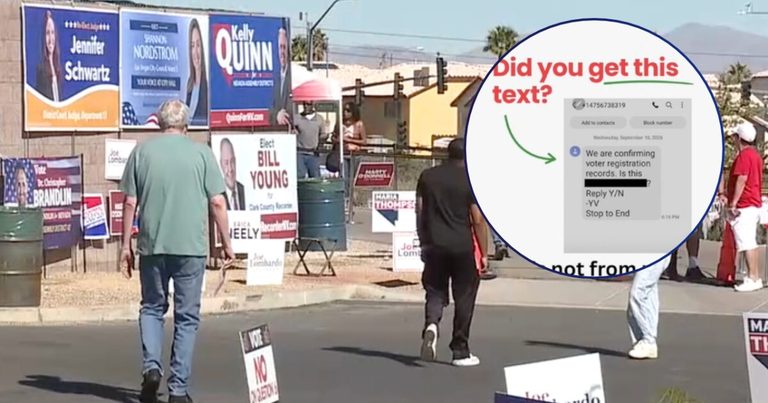
- Mass‑text messages claiming the recipient is not registered to vote and urging immediate registration through a bogus link.
- Fake donation requests that appear to support a candidate or political action committee, often using the name of a well‑known local figure such as “Jane Doe.”
- Counterfeit campaign websites that mimic official pages, complete with logos and donation buttons.
Why local races are especially vulnerable
Sabaj noted that smaller, lesser‑known contests receive less scrutiny from campaign staff, making them attractive targets. “High‑profile races have dedicated teams monitoring for fraud, but down‑ballot races often lack those resources,” he said.
How to spot a scam
Check Point offers several practical steps for voters:
- Verify any website’s URL. Official campaign sites are registered with the Federal Election Commission and typically end in “.gov” or the candidate’s own domain.
- Do not click links in unsolicited texts. Instead, go directly to the candidate’s known website or use the official state voter portal.
- Confirm donation requests by checking the FEC’s database of registered political action committees.
- If a message claims you are not registered, visit the Nevada Secretary of State’s voter registration page directly.
Reporting fraud
Anyone who believes they have encountered a scam should report it to the FBI’s Internet Crime Complaint Center (IC3) or forward the suspicious message to the Nevada Attorney General’s office. Prompt reporting helps authorities track patterns and shut down fraudulent operations before they can affect more voters.
Community response
Local civic groups, including the Nevada Voter Protection Alliance, have begun circulating flyers and holding briefings at community centers to educate seniors and first‑time voters about these threats. Their outreach aligns with the broader effort to safeguard the integrity of the 2026 midterm elections.
While the threat landscape is evolving, the combined efforts of cybersecurity experts, law‑enforcement agencies and community organizations provide Nevada voters with the tools they need to vote confidently and securely.
Original reporting: KTNV 13 Action News Las Vegas (local) — read the source article.