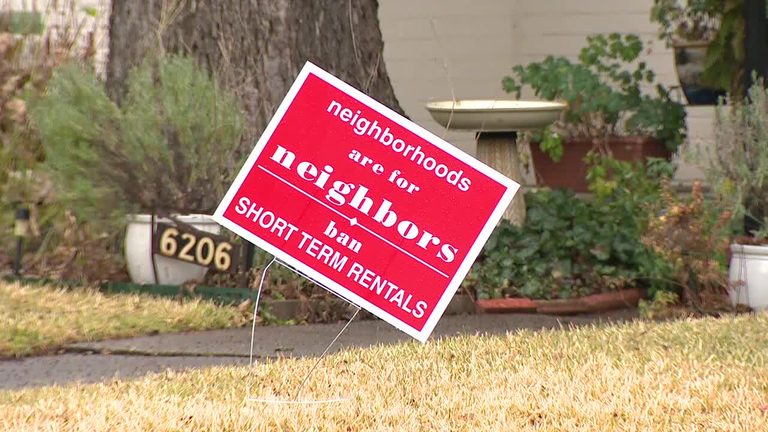
Dallas residents and short‑term rental operators are awaiting a decisive ruling from the Texas Supreme Court on the city’s ordinance that bars short‑term rentals in single‑family neighborhoods. The case, which will be heard on Dec. 3, could set a precedent for municipalities across Texas.
Background of the ordinance
In 2023 the Dallas City Council approved an ordinance that prohibited short‑term rental properties—such as those listed on Airbnb and Vrbo—from operating in residential neighborhoods. The goal, according to city officials, was to protect the character of neighborhoods and reduce noise, traffic, and safety concerns associated with frequent guest turnover.
Shortly after the ordinance took effect, the Dallas Short‑Term Rental Alliance filed a lawsuit claiming the ban violated the Texas Constitution’s protection of economic liberty. A temporary restraining order (TRO) was issued in 2024, halting enforcement of the ban while the case proceeded.
In February 2025 a state appeals court upheld the TRO, allowing short‑term rentals to continue operating under the injunction. The injunction has remained in place, meaning the ban is not being enforced while the legal battle continues.
Local impact and resident complaints
Neighbors near a six‑bedroom house on North Plano Road and West Buckingham Road say the property, marketed as the “ultimate Dallas group getaway,” has created persistent disturbances. Resident Kinzie Russell told FOX 4, “They come back around 2:30 a.m., and they continue partying until like 5 a.m. with very loud music.” Russell added that the house has been rented every week since it was listed in April 2026, generating nightly and daytime parties. “Sometimes cops show. Most of the time they don’t ever come,” she said.
Retired attorney David Schwarte, representing the Texas Neighborhood Coalition, argues that short‑term rentals are effectively unstaffed hotels operating in single‑family zones. “No sensible person would argue that Marriott or Hilton could buy a home in a single‑family residential neighborhood and begin operating a hotel,” Schwarte said. “The reason they’re worse is they are unstaffed, and there’s nobody there to check bad behavior before it gets out of control.”
Rental‑industry perspective
Appellate attorney David Coale, representing the Dallas Short‑Term Rental Alliance, contends that the ordinance is overly broad. “Ninety‑plus percent of the short‑term rentals in Dallas are banned outright without a well‑explained justification,” Coale said. He argues the ban infringes on the Texas Constitution’s economic‑liberty clause.
Both Coale and Schwarte expressed optimism that the Texas Supreme Court’s willingness to take the case signals statewide interest in the issue. “I think this signals that the Supreme Court is interested in this topic statewide,” Coale noted.
What’s next?
The Texas Supreme Court will hear oral arguments on Dec. 3, with a decision expected in early 2027. Regardless of the outcome, both sides agree the ruling will have implications beyond Dallas, potentially shaping how cities across Texas regulate short‑term rentals in residential areas.
Dallas residents, property owners, and local officials will be watching closely, as the decision could either reaffirm municipal authority to protect neighborhood quality of life or reinforce state‑level protections for property owners’ economic rights.
Original reporting: Dallas – Ft. Worth Feed (HLL/CB) — read the source article.