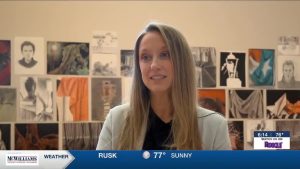
When Heejung Sisk first baked macarons for her daughter on Valentine’s Day six years ago, she never imagined the hobby would grow into Cowgirl Chloe Macarons, a thriving family‑run business that now supplies sweet treats at Dallas’s beloved ArtsGoggle festival.
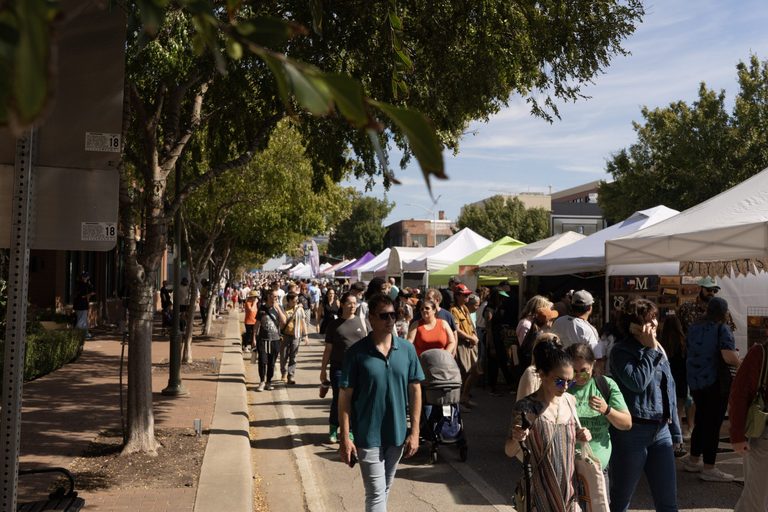
For the past two years Sisk’s pastel‑pink stand has been a fixture on the 21‑block stretch of Magnolia Avenue, drawing crowds of families and music lovers. Last year she sold out by 8 p.m., and the income from the festival helps support her children’s education and future arts pursuits.
Festival pause throws vendors into uncertainty
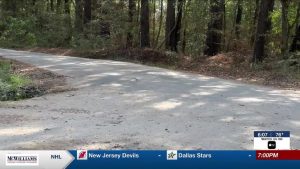
That steady stream of revenue was abruptly halted when the nonprofit Near Southside Inc., which organizes ArtsGoggle, announced the festival will be paused in 2027 while underground repairs on Magnolia Avenue commence in the spring. The work, which includes replacing a water main and sewer line, is described as a long‑term benefit to the neighborhood’s hospitals, clinics, homes and local businesses.
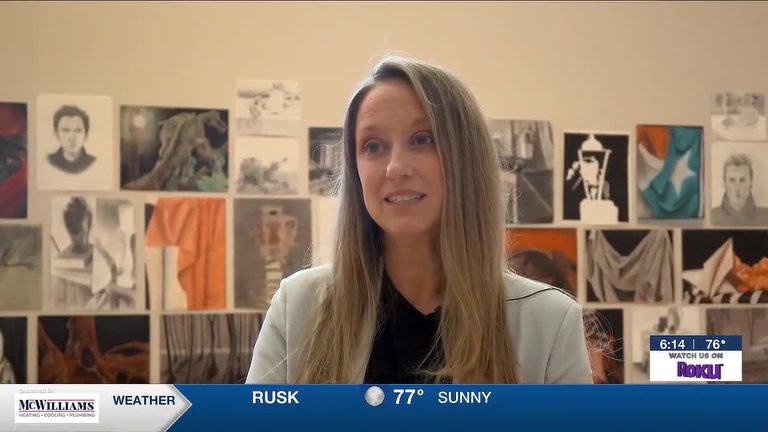
“I would be devastated,” Sisk said. “I saw the news about street construction, but I didn’t know it was going to affect the business here.”
She is not alone. Siblings Manny and Edie Gyang, who run Mama Africa’s Apparel with their mother, have also built their brand around ArtsGoggle’s steady foot traffic for six years. “It will be hurtful, but we have to be able to reposition ourselves within the market,” Manny explained, emphasizing the need for adaptability.
Local beekeeper Christine Garcia, who sells handmade soap and honey under the name Beauty and the Bee, echoed the sentiment. “The revenue we get doesn’t compare to other places we’ve been to,” she said, noting that thousands of visitors attend ArtsGoggle each year.
Infrastructure work framed as community investment
Near Southside Inc. president Megan Henderson stressed that the pause is not a loss but an investment. “It’s a symbiotic relationship—healthy streets, beautiful places, placemaking that makes a destination street like Magnolia Avenue,” she said. “The water main and sewer are fundamentally important to how our neighborhood functions—from hospitals to homes.”
Henderson assured vendors that the organization will seek ways to support them during the hiatus, though she ruled out moving the festival to another street. “We can’t make a cake without sugar, and these infrastructure pieces are the core ingredients,” she added.
Vendors plan pivots and smaller markets
With the festival’s return date still unknown, vendors are already exploring alternatives. Sisk intends to focus on other local markets and private events to keep her family’s income flowing. The Gyang siblings are evaluating new venues that align with their Ghanaian‑inspired apparel, while Garcia plans to bring her honey and soap to smaller community fairs.
These adjustments reflect a broader truth about small‑business resilience: the ability to adapt when faced with change. As Manny put it, “That’s the core thing with businesses—know how to adapt.”
What the pause means for the community
While the temporary loss of ArtsGoggle’s vibrant atmosphere will be felt by both vendors and patrons, many residents recognize the long‑term payoff of reliable water and sewer services. The construction promises to safeguard public health and support future growth along Magnolia Avenue, a corridor already celebrated for its artistic and musical offerings.
For now, the Dallas creative community watches the construction crews, hopeful that the improvements will soon allow ArtsGoggle to return stronger than ever, providing a platform for families like Sisk’s to thrive.
Original reporting: Fort Worth Report — read the source article.