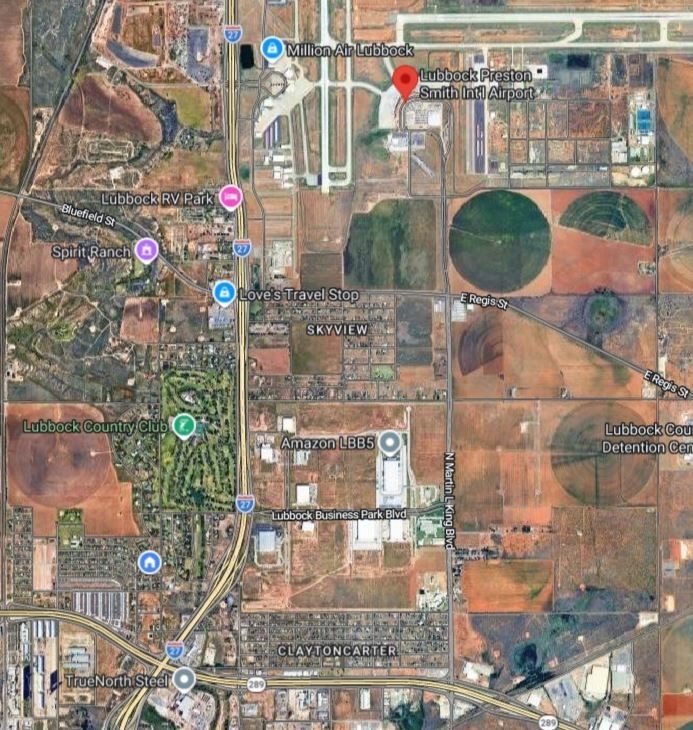
When President Trump and State Rep. John Doe arrive in Lubbock, the first thing most visitors see is the interstate corridor that links the airport to downtown. Residents and business owners alike agree that the stretch—flanked by junkyards, industrial sites and a handful of travel‑stop convenience stores—fails to showcase the city’s many strengths.
What’s Wrong With the Corridor?
The roadway itself is functional, but the surrounding landscape looks more like a collection of abandoned lots than a welcoming gateway. Empty lots, rusting equipment and overgrown weeds dominate the view, giving the impression of neglect. Local commentators note that the visual impact of this “front door” can shape first‑impression judgments for tourists, business travelers and potential new residents.
Why It Matters to Lubbock
Lubbock boasts a growing economy, vibrant cultural scene and strong community values rooted in faith and family. Yet the condition of the interstate corridor sends a contradictory message. Visitors who travel the route often miss the city’s thriving neighborhoods, expanding businesses, restaurants and shopping districts that make Lubbock a great place to live and work.
City leaders have long discussed ways to improve the corridor’s appearance. Ideas floated include landscaping, regular clean‑up efforts, better screening of junkyards and coordinated signage that highlights nearby attractions. While the businesses along the route provide essential jobs and services, many residents feel a modest investment in aesthetics would signal that the city cares about its image.
Community Voices Call for Action
Local citizens argue that waiting for a high‑profile visit to spark change is insufficient. “We shouldn’t have to rely on a presidential stop to make our city look presentable,” said longtime resident Maria Hernandez. “Every day we drive that road, and it reflects on all of us.”
Others point out that the corridor’s condition is not merely a cosmetic issue. Poorly maintained right‑of‑way can affect safety, drainage and long‑term infrastructure costs. A cleaner, more organized corridor could also support economic development by making nearby parcels more attractive to investors.
Potential Steps Forward
City officials could consider a phased approach: first, a thorough clean‑up and removal of debris; second, planting native grasses and trees that require minimal water; third, installing signage that directs drivers to Lubbard’s cultural and commercial highlights. Partnerships with local businesses, civic groups and faith‑based organizations could provide volunteer labor and funding, reinforcing the community‑first spirit that defines Lubbock.
Improving the corridor aligns with the city’s broader goals of promoting tourism, supporting local enterprises and reinforcing the pride that residents feel for their hometown. By taking proactive steps now, Lubbock can ensure that every visitor—whether a president, a sports fan or a family on vacation—receives a warm, welcoming first impression.
Original reporting: News/Talk 790 KFYO (Lubbock) — read the source article.