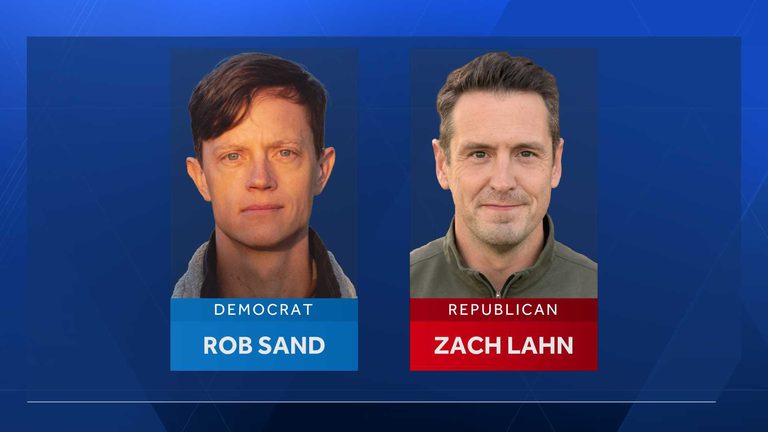
In a recent campaign flashpoint, Republican state Senate hopeful Zach Lahn defended an artificial‑intelligence‑generated advertisement that targets Democratic candidate Rob Sand. The ad alleges that Sand supports the Green New Deal, which Lahn says would raise gasoline prices by $3 a gallon, and that Sand opposes deporting illegal immigrants. Lahn told KCCI that the content is “absolutely accurate” and that the AI‑produced spot reflects Sand’s true positions.
Sand’s campaign pushes back
Rob Sand’s campaign quickly issued a written response rejecting the ad’s characterizations. According to the response, Sand backs comprehensive immigration reform, believes both parties have failed on border policy, and supports deporting criminals. The campaign added that Sand thinks anyone residing in the United States illegally should at least be fined, rather than being exempt from removal.
“Zach Lahn has used AI to try to trick Iowans into believing Rob Sand is someone he’s not,” the Sand campaign wrote. “It won’t work.” The response also highlighted Sand’s seven‑year tenure as Iowa’s chief public corruption prosecutor, his two terms as state auditor, and his record of holding more than 900 public town halls, arguing that voters already know and trust his record.
Lahn’s rationale
Lahn reiterated his confidence in the ad, repeating that “these things are all accurate.” He argued that the ad’s focus on the Green New Deal and immigration is central to the upcoming election, noting that many Iowans are concerned about rising fuel costs and border security. By using AI technology, Lahn said his campaign can quickly convey what they view as the truth about Sand’s policy positions.
“We want voters to have a clear picture of where Rob Sand stands on issues that affect their wallets and safety,” Lahn said in the interview. “If the facts are correct, then the message is justified.”
Context for Iowa voters
The dispute comes as both candidates vie for a seat in the Iowa Senate, a race that will shape the state’s legislative agenda on energy, transportation, and immigration enforcement. While the ad’s claims have not been independently verified, the controversy underscores the growing role of AI in political advertising and the importance of fact‑checking in a fast‑moving campaign environment.
Local observers note that Iowa voters have historically valued direct communication from candidates, and the use of AI‑generated content may test the limits of that expectation. Both campaigns have pledged to continue engaging with constituents through town halls and community events as the primary means of informing the electorate.
Original reporting: KCCI Des Moines — read the source article.