Chicago’s public schools are confronting a stark literacy crisis. The 2024 National Assessment of Educational Progress shows just 23% of the city’s fourth‑graders scored proficient or higher in reading, while another 53% fell below the basic level. That means three out of four children cannot demonstrate solid reading skills, and more than half lack even partial mastery.
Why Early Reading Matters
Research consistently shows that a child who cannot read proficiently by the end of third grade is four times more likely to fail to graduate on time. The odds worsen for children living in poverty, who already face limited economic opportunities. Adults with limited literacy typically earn less, experience higher unemployment, and are shut out of many jobs that require basic reading ability.
Local Impact on the South Side
Pastor Corey Brooks, who leads a congregation on Chicago’s South Side, sees the effects daily. He helps families fill out simple job applications, reads medical reports for parents, and assists recent high‑school graduates who still cannot read a lease or a text message from a supervisor. “No American should need help with these simple tasks in 2026,” Brooks says, emphasizing that illiteracy traps families in a cycle of poverty and, in some cases, incarceration.
Where the System Went Wrong
Brooks argues that schools have abandoned the proven science of reading. Decades of research confirm that phonics—teaching each letter’s sound and blending those sounds into words—is the most effective method for early readers. He contends that many schools have replaced this straightforward approach with more complex curricula, leaving children behind.
Parents as the First Line of Defense
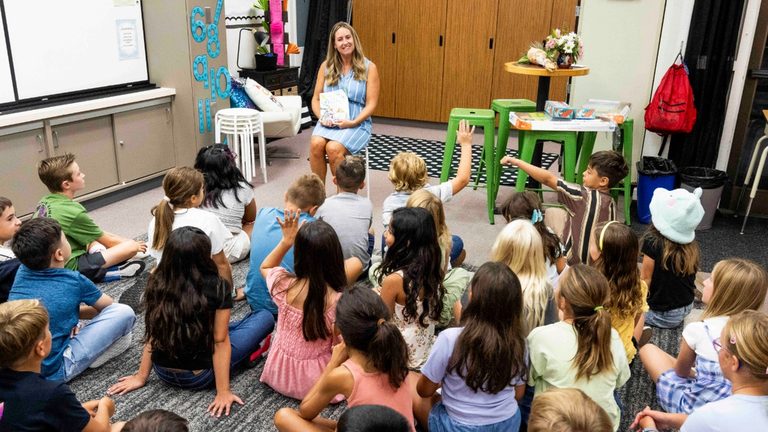
While acknowledging the role of schools, Brooks places primary responsibility on parents. He urges families to read to their children every night and to practice phonics at home. “Do not have a child if you cannot devote time to reading with them,” he says, rejecting excuses and calling for a “merciless” pursuit of literacy.
A Community‑Based Solution
To address the gap, Brooks is partnering with the Leadership and Economic Opportunity Center to open a new school focused on structured literacy. The school will teach parents how to support reading at home and ensure kindergarteners arrive already familiar with letter sounds. Brooks believes this model can shift the community’s spirit from the ground up, turning academic excellence into the norm rather than the exception.
What Readers Can Do
Chicago families can start by incorporating nightly reading routines, using phonics‑based resources, and advocating for schools to return to evidence‑based literacy instruction. Community leaders and faith‑based organizations are also encouraged to host reading workshops and provide materials for parents who need extra support.
Improving reading proficiency is not just an educational goal; it is a pathway to economic freedom, personal dignity, and a stronger, more resilient community.
Original reporting: Fox News (HLL/CB) — read the source article.