Indiana voters will decide in November whether to adopt Amendment 1, a constitutional change that would broaden the circumstances under which judges can deny bail to criminal defendants. The amendment would replace the current rule that all offenses except murder or treason are bailable with a standard that allows judges to refuse bail if prosecutors present clear and convincing evidence that a defendant poses a substantial risk to the community and that no release conditions would adequately protect public safety.
What the amendment proposes
Article 1, Section 17 of the Indiana Constitution currently guarantees bail for all offenses except murder and treason, provided the defendant offers sufficient sureties. Amendment 1 would rewrite that language, granting judges sweeping discretion to keep a defendant detained before trial when the prosecution meets the heightened evidentiary burden.
Supporters’ arguments
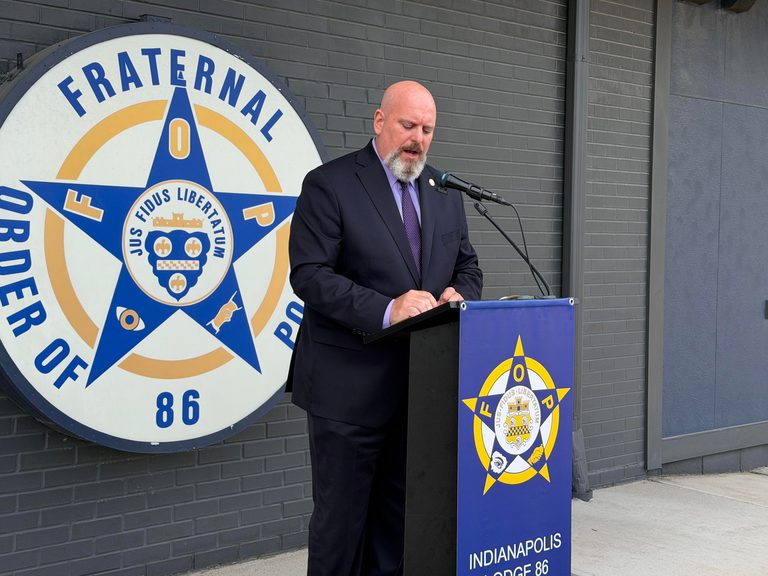
Proponents, including Congressman Jefferson Shreve and Fraternal Order of Police leader Rick Snyder, argue the measure is a necessary tool to keep dangerous offenders off the streets while their cases proceed. They contend that the existing bail system can allow individuals who pose a serious threat to be released on conditions that are difficult to enforce.
Critics raise due‑process concerns
Legal commentator Tony Katz warns that giving judges unchecked power to deny bail could undermine the fundamental principle of “innocent until proven guilty.” Katz points to instances where judges have set high bail amounts or denied bail based on incomplete information, arguing that the proposed amendment assumes judges will always act impartially—a premise he says is not supported by experience.
“I don’t have that faith,” Katz said. “I have seen too many activist judges. I have seen too many conditions and moments where information was not complete, where a full story about someone’s innocence or lack thereof was not presented.”
What voters need to know
Amendment 1 will appear on the ballot as Public Question 1. Voters who favor a stricter approach to pre‑trial detention can support the amendment, believing it will enhance community safety. Those who prioritize due‑process protections and fear potential overreach by the judiciary may choose to reject it.
Early voting is already underway across Indiana, giving residents the opportunity to weigh the trade‑offs before heading to the polls on Election Day.
Where to learn more
For a detailed discussion of the amendment, listeners can tune in to Tony Katz’s commentary on WIBC 93.1 FM or access the full program on‑demand through the station’s website.
Original reporting: 93.1 WIBC (Indianapolis) — read the source article.