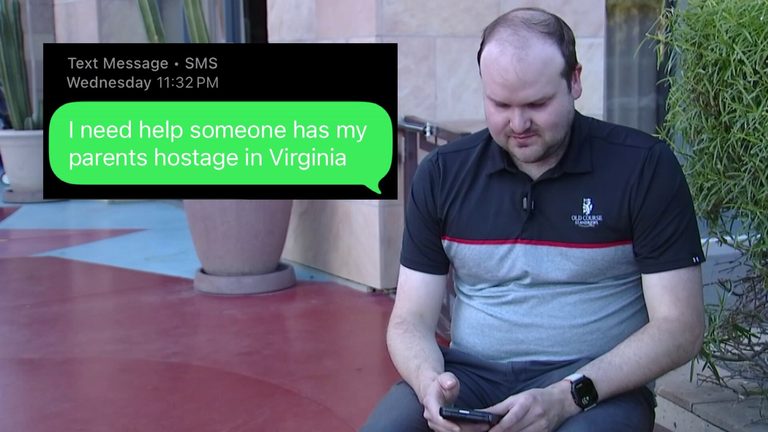
Scottsdale, AZ – Curtis Indyke, a local information‑technology professional, woke up to a terrifying phone call around 11:30 p.m. on Wednesday. The call appeared to come from his father’s Virginia number, but a stranger on the line claimed the elder Indyke’s parents were being held at gunpoint and demanded an immediate payment.
Scam details and victim response
Indyke answered the call, hearing a male voice say his parents were in danger. The caller warned that if a ransom was not paid, the parents would be shot. While still on the line, Indyke texted 911 in Scottsdale to report the alleged hostage situation. The scammers continued to threaten him, and in a panic he transferred more than $4,000 through Apple Pay to two separate phone numbers.
“They also wanted $1,000 worth of crypto gift cards, which I’ve never even heard of,” Indyke said. His bank blocked the crypto‑card purchase, but the Apple Pay transaction remains pending. After the call ended, Indyke tried calling his father back, but received no answer.
Authorities confirm safety of parents
Virginia police later conducted a welfare check at the parents’ home. The seniors were safe, though they reported waking up to their own scare. Indyke expressed how the incident reminded him of the high‑profile disappearance of Nancy Guthrie, mother of “Today” show host Savannah Guthrie, earlier this year.
Expert warning on spoofing scams
Dawn Alexander, a network specialist for AARP Arizona, said the technique follows a known playbook that has been on the rise. “Spoofing is a very dangerous game right now because it could be anyone from a scammer saying they’re with Medicare, with your hospital, you name it,” she explained.
Alexander added that advances in artificial intelligence have made it easier for scammers to target anyone, not just older adults. The virtual‑kidnapping scam leverages the victim’s emotional response, prompting rapid, unthinking payments.
Advice for residents
Indyke now urges others to pause before reacting to such threats. “You need to take a second, pause before you react. The safest thing to do is to hang up and call whoever they say they have,” he advised.
He plans to file a fraud claim once the pending Apple Pay transaction clears, hoping to recover the lost funds. Law‑enforcement officials continue to investigate the phone numbers used in the scam, urging anyone who receives similar calls to report them immediately.
How to protect yourself
Residents are encouraged to verify any unexpected calls by contacting the purported caller directly on a known number, avoid sending money or gift‑card codes, and report suspicious activity to local police or the Arizona Attorney General’s Office. Staying informed about common scam tactics can help protect families and preserve hard‑earned savings.
Original reporting: azfamily KTVK/KPHO Phoenix (news) — read the source article.