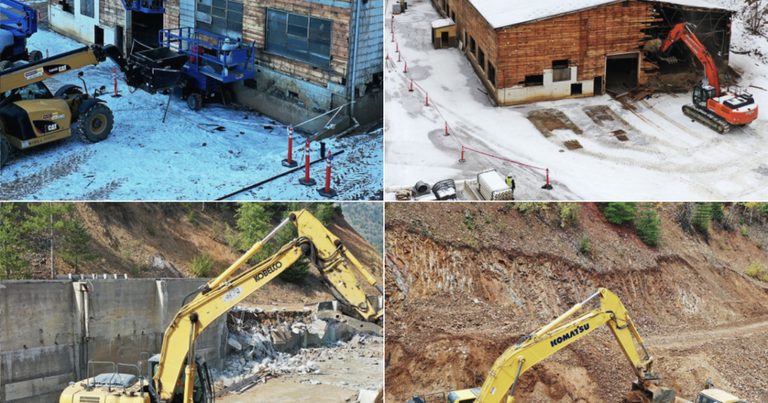
After decades of closure, the historic Bunker Hill Mine in Kellogg, Idaho, is back in operation and moving quickly toward commercial production. The company plans to reach full commercial output by the end of 2026, a milestone that could revitalize the Silver Valley’s economy and create a new generation of well‑paying jobs for local families.
Production targets and technology upgrades
CEO Sam Ash told our reporter that the mine is currently processing about 1,200 tons of ore each day and expects to increase that to 1,800 tons daily as it approaches commercial production. The first concentrate was produced this summer, marking a tangible step toward the company’s goal.
Geologist Sam Bourque explained that advances in processing technology have made it possible to extract valuable ore that was left behind when the mine shut down. “The addition of modern processing technology lets us go in and start mining with full expectations of profitability and successful mining,” Bourque said.
Economic impact for Idaho
Benjamin Davenport, executive vice president of the Idaho Mining Association, highlighted the broader significance of the project. “We’ve got a lot of great diverse minerals in this state, a lot of critical minerals, and folks around the world are taking note of what’s going on in Idaho,” he said. The resurgence of domestic mineral production aligns with national efforts to reduce reliance on foreign sources of essential metals.
Local leaders see the mine’s restart as a boost for the community. Bourque added, “To be able to create another four generations of prosperity for the Silver Valley and see people show up to work that makes me feel very good.” The project promises not only direct employment at the mine but also indirect jobs in supporting services, transportation, and local businesses.
Environmental stewardship and public participation
While the economic benefits are clear, the region’s history of mining‑related environmental damage remains a concern. The Environmental Protection Agency notes past issues with water quality, wildlife impacts, and long‑term land changes.
Briana Halstead, director of permitting and planning at KC Harvey, explained how the federal review process addresses those worries. “Through the regulatory process, the NEPA process, it gives the public or other stakeholders a chance to weigh in, express their concerns, learn about the project,” she said. Halstead emphasized that developers may need to adjust project designs when valid concerns are raised, ensuring that impacts are minimized wherever possible.
Looking ahead
The Bunker Hill Mine’s next milestone is reaching commercial production by the end of 2026. If successful, the project could serve as a model for other dormant mines in Idaho and across the United States seeking to revive operations responsibly.
Community members, industry experts, and environmental advocates will continue to watch the mine’s progress, balancing the promise of economic growth with the need for careful stewardship of Idaho’s natural resources.
Original reporting: KIVI Idaho News 6 Boise metro (local) — read the source article.