Rockford, Ill. – On Monday night the city council voted to forward a draft set of regulations for data centers to the Rockford Zoning Board of Appeals. The move advances the city’s effort to create permanent, performance‑based standards for these large computer facilities before any new projects receive final approval.
Why the city is acting now
Earlier this year the council approved a temporary moratorium on new data center applications while staff examined how such facilities could affect Rockford’s infrastructure. The moratorium paused processing and final approvals, giving officials time to study the impact on electricity, water, wastewater, transportation and emergency services.
Key elements of the proposed rules
City staff recommends treating data centers as a distinct land‑use category rather than lumping them with other high‑technology facilities. Under the draft, any new data center or major expansion would need performance‑based approval and would be limited to appropriate industrial zones with sufficient infrastructure.
Developers would be required to submit detailed evaluations of a project’s potential effects on electrical service, water supply, wastewater, transportation, stormwater and emergency response. The regulations also call for closed‑loop or other resource‑conserving cooling systems designed to produce virtually no wastewater discharge.
Water and utility considerations
Rockford’s water system serves roughly 52,000 customers, producing an average of about 16.5 million gallons per day and a total capacity of roughly 60 million gallons per day. While the system has ample capacity overall, officials noted that not every location can handle the demand of a large industrial facility. Applications will be reviewed for average and peak water use, seasonal demand, fire‑flow needs, required water‑main upgrades and potential effects on existing customers.
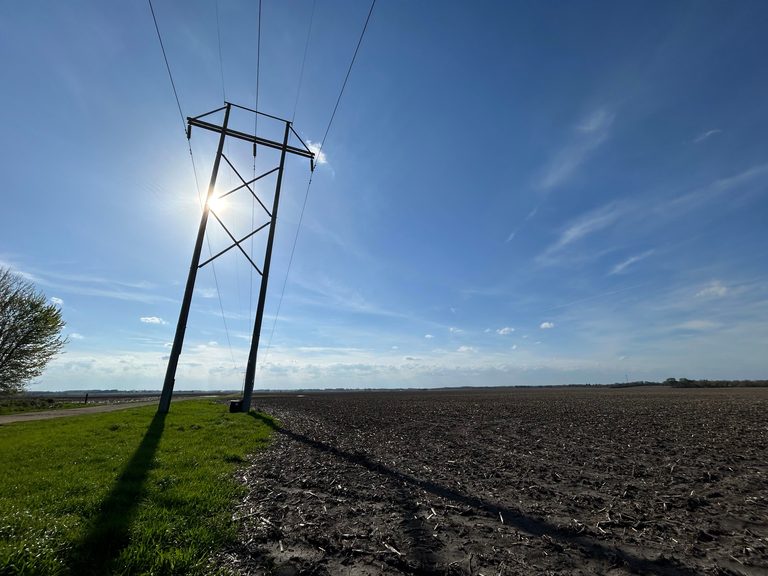
Applicants must also confirm that ComEd or another applicable utility can reasonably provide the necessary electrical service before a certificate of occupancy is issued.
Noise, air and safety standards
The draft requires professional noise studies covering normal operations, peak cooling conditions, backup‑generator testing and, when appropriate, low‑frequency noise. All noise levels must meet Illinois Pollution Control Board standards.
Backup generators will be subject to state and federal air‑permitting requirements, and developers must provide proof of those permits. Additional requirements include enhanced setbacks and landscaping near homes, schools and parks; lighting limits near less‑intensive zones; stormwater and flood‑control reviews; and comprehensive fire‑ and life‑safety plans addressing generators, fuel systems, batteries, hazardous materials and emergency access.
Infrastructure costs and economic impact
Developers would be responsible for paying for any required public infrastructure improvements, such as water mains, streets, traffic signals and storm sewers. While city staff acknowledges that data centers can bring construction jobs, capital investment and additional property, utility and sales tax revenue, they also note that these facilities typically generate fewer permanent jobs than traditional manufacturing plants of comparable size.
Decommissioning plan requirement
Each new data center would need to submit a decommissioning plan outlining how unused servers, cooling systems, batteries, electrical equipment and hazardous materials would be removed or handled if the facility closes.
Next steps
The draft regulations now head to the Zoning Board of Appeals for a public hearing. After public input, the board will consider the proposed amendments and send them back through the city’s approval process.
Rockford residents and interested parties are encouraged to attend the hearing to voice their perspectives on how these rules might shape the city’s growth, utility usage and quality of life.
Original reporting: WIFR Rockford News First (local) — read the source article.