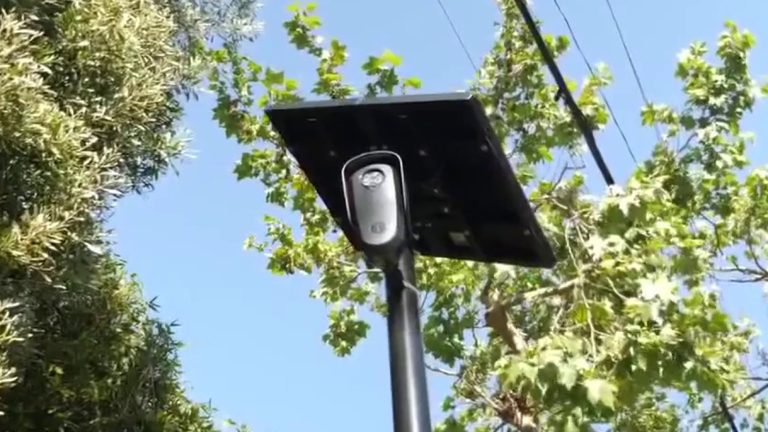
Romulus, Mich. – The Romulus City Council convened a special session on Monday to address questions surrounding the city’s contract with Flock, a provider of public‑surveillance cameras. Resident James Lee raised the issue, noting that the Tax Increment Finance Authority (TIFA) board may have exceeded its authority by approving a surveillance contract that was originally listed at $47,500 but later appeared as $90,000.
Resident raises contract‑cost concerns
“My main concern is that the TIFA board, which is a development board that operates within the city, has executed a contract that may not necessarily be within their authority to execute because it involves public surveillance and city policing,” Lee said. “That is an expansion of the public safety city policing procedures, so I believe that warrants review.” Lee asked for an investigation into the TIFA board’s role and the sudden increase in the contract amount.
Mayor explains the price jump
Mayor Robert McCraight responded that the discrepancy was the result of a clerical error. “The explanation I was given, a typo by a clerical person. The contract is for $90,000 a year, which brings it to $270,000,” he said. “I am making sure the legal team goes through it with a fine‑tooth comb to make sure all T’s were crossed and I’s were dotted.” He emphasized the strategic importance of the cameras, noting that Detroit‑Metro Airport (DTW) sees roughly 30 million travelers annually – more than Disney’s Magic Kingdom – and that the increased traffic brings heightened risk of criminal activity.
Council’s decision
After hearing both sides, council members voted not to launch a formal investigation of the TIFA board. However, they expressed willingness to continue discussions about the contract and the broader merits of the Flock system. The council’s stance reflects a balance between fiscal oversight and the mayor’s push for modern equipment to aid police officers.
Why the cameras matter to Romulus
Romulus officials argue that the cameras are a tool to deter and respond to the “nefarious activity” associated with the high volume of travelers passing through the area. The mayor highlighted that the city’s police department has been tasked with reducing crime, and that advanced surveillance technology can support officers on the ground.
Next steps
While the council declined an immediate investigation, the issue remains on the agenda for future meetings. Residents and stakeholders are encouraged to submit comments to the city clerk ahead of the next council session, where the contract’s details and the TIFA board’s authority will likely be revisited.
For now, Romulus continues to evaluate the balance between public‑safety technology and transparent governance, a conversation that resonates with many Metro Detroit communities grappling with rapid growth and evolving security needs.
Original reporting: Warren | FOX 2 Detroit — read the source article.