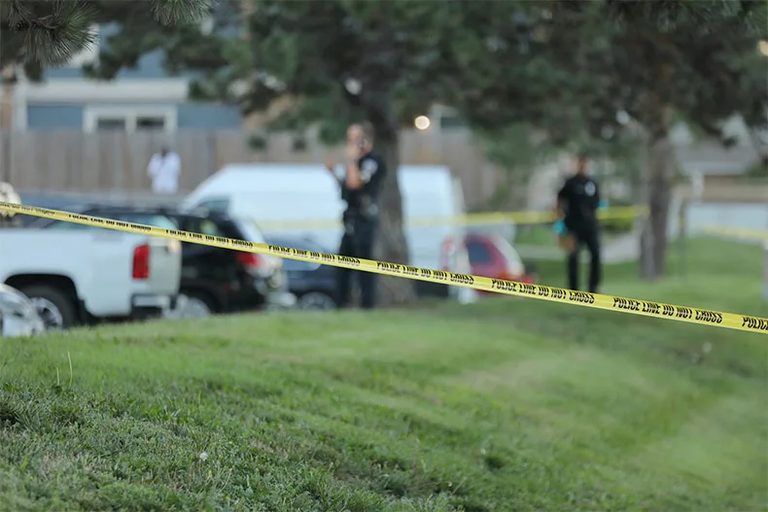
On October 19, the Prairie Village City Council voted unanimously (11‑0) to reject the adoption of Kansas’ Halo Act into the city’s Uniform Public Offense Code. The decision makes Prairie Village the first Johnson County municipality to refuse the 25‑foot buffer law that criminalizes approaching a first responder within 25 feet after being warned to stay back.
What the Halo Act Requires
The state law, which took effect on July 1, makes it a misdemeanor for anyone to knowingly approach or remain within 25 feet of a known first responder—police, fire, EMS, or federal agents such as Immigration and Customs Enforcement—while the responder is performing official duties. Violations can result in jail time and fines, and the law can be invoked if a person distracts a responder from their duties.
Council’s Rationale
Councilmember Betsy Lawrence explained that Prairie Village already has an ordinance prohibiting interference with first responders, regardless of distance. She added that she has not heard any arguments that the Halo Act would make first responders or the public safer, and she called the municipal‑court option “flawed.”
“These laws face serious constitutional challenges, which, I think, is dubious for us to pass a law that we may believe is unconstitutional,” Lawrence said. “Passing a local version needlessly exposes Prairie Village taxpayer dollars to have to defend what is likely to become litigation.”
Other Johnson County Cities
Nearby municipalities—including Merriam, Overland Park, Olathe and Shawnee—have incorporated the Halo Act into their city codes through the Uniform Public Offense Code (UPOC) published by the League of Kansas Municipalities. Overland Park and Olathe adopted the law reluctantly, noting that municipal‑court prosecution would keep some local control over enforcement, similar to handling traffic violations.
Without adoption, any Halo Act violation in Prairie Village would be prosecuted in Johnson County District Court, removing the case from local jurisdiction.
Law Enforcement Perspective
Police Chief Eric McCullough testified that the city has other tools to address interference with first responders, but he recommended adoption to retain local control over potential prosecutions. “If we don’t adopt it, we have to send it to the district attorney’s office, to the state level,” he said. “We don’t have that local control here in our city court, and the city court can manage the process and consequences.”
Opposition from Civil‑Liberties Groups
Logan DeMond, director of policy and research for the American Civil Liberties Union of Kansas, sent a letter to the council opposing the ordinance. He warned that the law raises “significant concerns regarding civil liberties, enforcement, and due process,” and could expose the city to “unnecessary legal risk.” The letter referenced similar challenges faced by comparable buffer‑zone laws in Indiana, Louisiana and Arizona.
Council Members’ Positions
While the vote was unanimous, several council members expressed nuanced views. Councilmember Inga Selders, a mayoral candidate, initially supported adoption to give officers “more tools in the toolbox,” but later changed her stance after reviewing constitutional challenges in other states. Councilmember Ian Graves and Ward 6 Councilmember Jim Sellers both warned that the law appears to serve federal immigration enforcement rather than protecting first responders.
Mayor‑hopeful Cole Robinson echoed Lawrence’s concerns, emphasizing the need for a clear legal basis before adding the statute to the city code.
What Comes Next
Because the vote occurred during a committee meeting, the Halo Act will appear on a future council agenda for final consideration. For now, Prairie Village will continue to enforce its existing ordinance against interference with first responders, while monitoring any legal developments surrounding the state law.
Original reporting: Johnson County Post (Overland Park) — read the source article.