The Unified Government of Wyandotte County announced Friday that it has resolved its lawsuit against the state of Kansas over oversight of the new Chiefs stadium. In a joint statement, the UG and the state said the Board of Public Utilities (BPU) will retain jurisdiction over all ancillary development surrounding the stadium, including local planning and zoning, and the project will make a payment in lieu of taxes to the BPU.
What the agreement means for local residents
UG officials called the settlement a “clear win for our community,” noting that the new framework gives Wyandotte County and Kansas City, Kansas, more agency and representation in the stadium project. “A seat at the table” was the phrase used to describe the added access to economic opportunities the stadium is expected to generate for residents.
“Our team worked tirelessly to collaborate and communicate with the state and all parties to resolve this issue and make sure we reached the best possible deal for our residents,” the UG said in an email response on Monday. While the UG declined to share the details of its Executive Committee discussions, citing confidentiality requirements, it emphasized that the county’s local pledge area will remain unchanged.
Reactions from the community
Supporters praised the outcome. Alex Sanchez, a Wyandotte County resident and candidate for the Kansas House of Representatives in the 35th district, said the settlement reflects a strong partnership between the UG and Mayor Watson. “Wyandotte County has traditionally been looked over, bypassed, taken advantage of, and this was a really good stance in standing up for the county,” he said.
Sanchez also raised concerns about the financial scope of the project’s STAR bonds. He warned that a $1.8 billion bond at six percent interest over 30 years could ultimately cost more than $10 billion, underscoring the need for careful fiscal oversight.
Not everyone shared the optimism. Scott Harding, a resident and spokesman for the Abolish Kansas Property Taxes group, questioned whether proper procedure was followed when the lawsuit was dropped, noting that a special meeting and commissioner vote had not occurred. “If they would have kept that lawsuit, they had leverage, but once they get rid of it, they have no leverage at all,” Harding argued, expressing concern that citizens have lost a legal voice.
Expert perspective
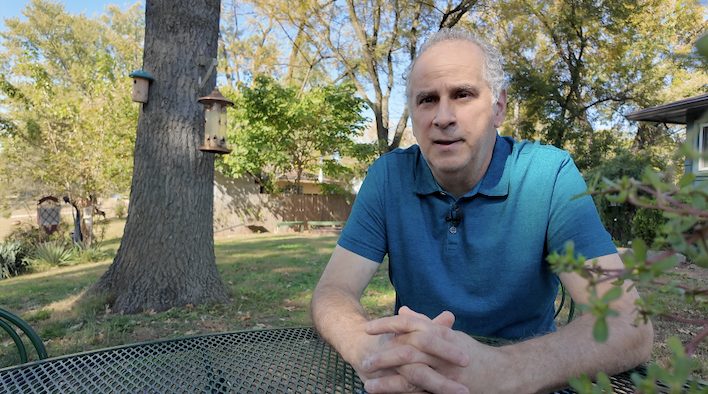
Michael Smith, a political‑science professor at Emporia State University, said the lawsuit likely served as strategic leverage early in the project, when no land had been acquired and no construction had begun. He suggested the UG may have used the legal action to secure favorable terms from the state. “It just shows that the political climate has changed,” Smith noted, observing a growing demand from communities and local leaders for tangible benefits from large‑scale developments.
Smith also asked a critical question: “Who pays if the revenue generated does not cover these bonds?” He highlighted Wyandotte County’s strained finances, warning that the county is not in a position to divert additional revenue to the stadium project.
Official response from the utility board
The BPU issued a measured statement, acknowledging ongoing discussions and emphasizing its duty to protect existing residential and commercial customers. “We remain focused on protecting the interests of our ratepayers while upholding our responsibility to provide safe, reliable, and efficient utility services,” the board said.
Both the UG and the BPU said they remain committed to working collaboratively toward outcomes that reflect the long‑term interests of ratepayers and the broader community.
What’s next?
The settlement paves the way for the stadium’s ancillary development to proceed under local oversight, with the BPU collecting a payment in lieu of taxes. Residents can now look forward to potential job creation and increased tax revenue, though the financial burden of the STAR bonds remains a point of debate.
Local officials have pledged transparency as the project moves forward, and community members are encouraged to stay engaged through upcoming public meetings and commission sessions.
Original reporting: KSHB 41 Kansas City (local) — read the source article.