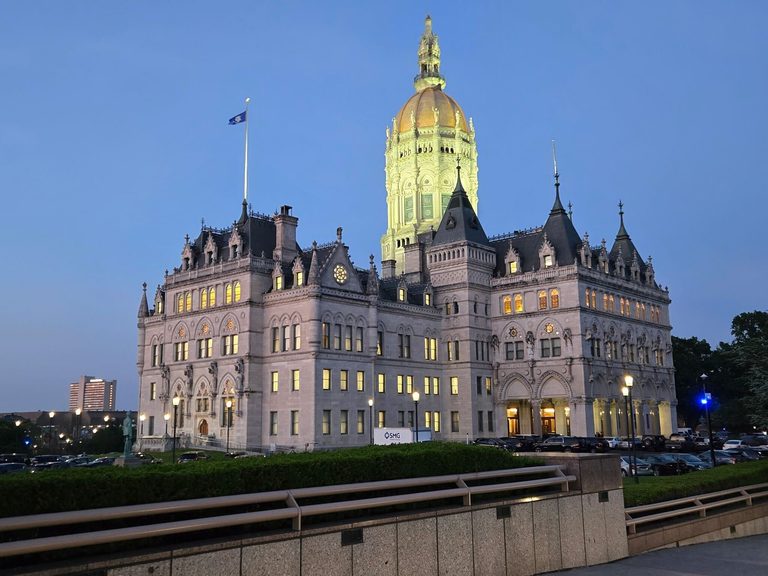
On Monday, a group of 100 volunteers who make up the Connecticut Citizens’ Assembly on Property Taxes presented a set of recommendations aimed at reducing the state’s notoriously high property taxes. The assembly, which has been meeting since July under the guidance of State Comptroller Sean Scanlon, released a final report that highlights tolls, a millionaires tax and other revenue adjustments as possible ways to generate additional funds for local aid.
Key recommendations
The report outlines ten findings, each of which received support from at least two‑thirds of the participants. Among the most prominent ideas is the re‑introduction of tolls on major highways, with the revenue earmarked for road maintenance. By covering road costs with tolls, the assembly argues that municipalities could free up money that would otherwise be needed for infrastructure, allowing them to lower or even eliminate local property taxes.
Other proposals include a millionaires tax to broaden the tax base, a review of existing state mandates that impose costs on local governments, and a push for greater regional cooperation to share services and expenses across municipal boundaries.
Motivation and goals
Assembly members emphasized that the effort is meant to depoliticize a problem that affects every homeowner in Connecticut. “Our biggest goal has been to try to depoliticize an issue that touches everybody in the state,” said member Dawris Gomez. The volunteers framed the report as a nonpartisan set of ideas intended to spark a constructive dialogue among lawmakers, local officials and the public.
Political response
The recommendations have already drawn criticism from some Senate Republicans, who expressed concern that reinstating tolls could burden commuters. Nonetheless, the assembly’s report does not prescribe specific legislation; it leaves the details of implementation, including any legal hurdles, to elected officials.
Comptroller Scanlon, who initially convened the group, had asked the assembly to wait until after the upcoming election before publishing its findings. The volunteers chose to release the report earlier, noting that a weather‑related cancellation had already delayed their work and that waiting any longer could diminish momentum.
Next steps
Assembly members acknowledge that not every recommendation will be adopted, but they view any progress as a victory. “I’m not sure any of us realistically think that all of these will necessarily pass muster,” said member Elliot Weller. “I think a victory might be if several of them do.” The report now heads to the state legislature, where lawmakers will decide which, if any, of the proposals will be turned into policy.
For Connecticut residents, the discussion signals a renewed focus on finding sustainable ways to ease the property‑tax burden while maintaining essential services. Whether tolls return to Connecticut highways or a millionaires tax is enacted, the proposals underscore the ongoing search for fiscal solutions that balance state revenue needs with the financial realities of families across the state.
Original reporting: NBC Connecticut — read the source article.