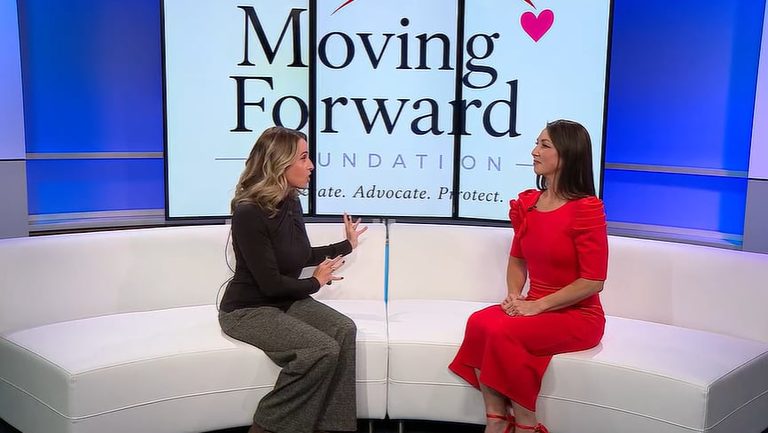
Madison, Wis. – In a state where more than 300 infants are stillborn each year, a local mother is turning her personal loss into a community‑wide prevention effort. Amanda Braverman‑Brohn, who endured pre‑term labor in four pregnancies and lost her son to an in‑utero stroke, founded the Moving Forward Foundation to teach families how to track fetal movement in the third trimester.
From personal tragedy to public advocacy
Braverman‑Brohn recalls the moment she sensed something was wrong: “There was a day I woke up and I just couldn’t feel any movement, I couldn’t feel anything. My instinct told me that something was really wrong.” Her quick decision to deliver early saved her son’s life. Determined that other families should not have to rely on luck, she began researching how fetal‑movement monitoring can prevent stillbirth.
Evidence supports movement monitoring
International studies cited by Braverman‑Brohn show that teaching expectant parents to count fetal kicks can reduce stillbirth rates by 20‑30 %. Several countries have already adopted such programs with measurable success. “I learned that there are other organizations and other countries even that advocate for teaching fetal movement and monitoring fetal movement in the third trimester,” she said.
Moving Forward Foundation’s mission
The nonprofit provides free educational resources, workshops, and online tools to help parents recognize reduced fetal activity. Its website, themovingforwardfoundation.org, offers printable kick‑count charts, video tutorials, and a list of local health‑care providers who support the practice.
Community response
Local health‑care professionals have welcomed the initiative. Dr. Laura Jensen, an obstetrician at UW Health, noted, “Encouraging mothers to monitor fetal movement is a low‑cost, high‑impact strategy that aligns with best practices for prenatal care.” The foundation plans to partner with Madison’s public health department to distribute educational materials at prenatal clinics and community centers.
How families can get involved
Parents interested in learning more can attend a free virtual workshop hosted by the foundation each month. The sessions cover how to count kicks, what changes to look for, and when to contact a health‑care provider. Braverman‑Brohn emphasizes that early detection is key: “If you notice a significant drop in movement, call your doctor right away.”
Looking ahead
While Wisconsin’s stillbirth numbers remain high, advocates like Braverman‑Brohn believe education can shift the trend. “I don’t want other families to be ‘lucky’ like I was,” she said. “I want them to recognize the signs that something is wrong and act quickly.” The Moving Forward Foundation hopes to expand its outreach statewide, aiming to save lives and give families peace of mind during pregnancy.
Original reporting: NBC15 WMTV (Gray) – local — read the source article.