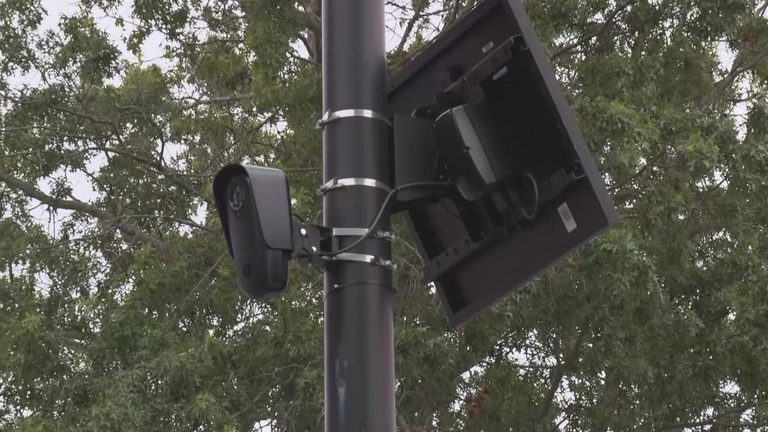
ITHACA, N.Y. – Cornell University confirmed on Oct. 14 that it has ended its partnership with surveillance‑technology firm Flock Safety and will begin removing the seven cameras the company installed on campus in October 2024. The decision reflects the university’s stated commitment to maintaining an open and accessible campus while balancing privacy with safety.
University statement
“Cornell has notified Flock Safety that the university expects the seven cameras installed on campus in October 2024 to be removed,” a Cornell spokesperson said. “The company is beginning that process, and Cornell expects the cameras to be removed as expeditiously as possible.” The spokesperson added, “We remain committed to maintaining an open and accessible campus environment while balancing privacy with campus safety.”
Local context
The removal comes just one day before the Cornell Student Assembly was scheduled to discuss the cameras on Oct. 15. The seven devices were positioned at key intersections and high‑traffic areas around the Ithaca campus, a placement that had drawn criticism from students and local residents who feared excessive monitoring.
Earlier this year, the City of Ithaca took a similar step, cancelling its own contract with Flock Safety in March after the Ithaca Common Council voted to sever ties with the firm. The city’s contract had originally been approved in 2023. While the city’s decision was separate from Cornell’s private agreement, both actions signal a growing local concern over surveillance technology on public and private property.
Student reaction and broader concerns
The university’s move follows a period of heightened student activism on campus. Protests have intensified after the handling of a 2024 alleged gang‑rape case involving the Chi Phi fraternity, prompting students to call for greater transparency and accountability from university officials.
Students and faculty members have argued that the presence of permanent cameras could deter open dialogue and infringe on the privacy rights of individuals moving across campus. Others have expressed that any tool that enhances safety should be carefully weighed against the potential for over‑reach.
Why the decision matters
For a private institution like Cornell, the ability to choose its own security measures is a matter of institutional autonomy. By ending the partnership, the university demonstrates a willingness to listen to its community and adjust policies that may be perceived as intrusive.
At the same time, the removal does not signal a retreat from campus safety. Cornell officials have emphasized that other security measures—such as increased patrols, improved lighting, and emergency call stations—remain in place to protect students, staff, and visitors.
Looking ahead
As the cameras are taken down, the university will likely continue to evaluate alternative safety solutions that respect privacy while addressing legitimate security concerns. The upcoming Student Assembly discussion is expected to shape future policies on campus surveillance and broader safety initiatives.
Local leaders and residents will be watching closely, as Ithaca’s recent decision to end its own contract with Flock Safety set a precedent for community‑driven oversight of surveillance technology. Cornell’s action reinforces that precedent within the university setting.
Original reporting: CNY Central WSTM (Sinclair) – local — read the source article.