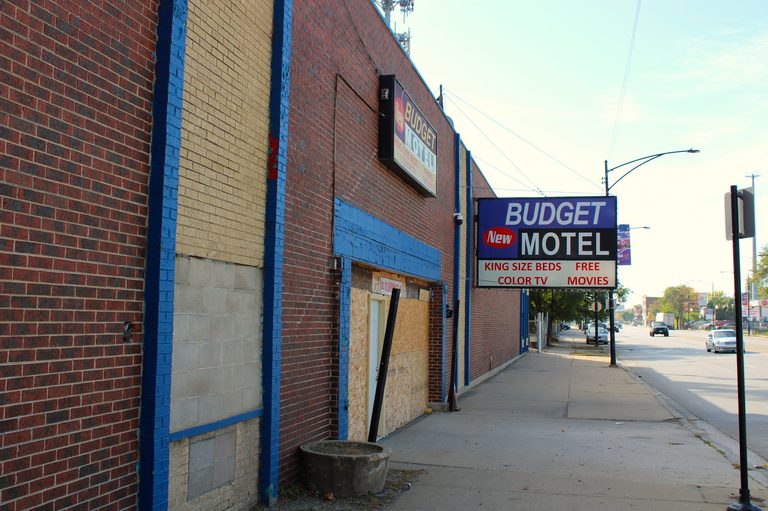
City officials broke ground on two major projects this week that target vulnerable residents and boost local jobs on Chicago’s South Side. In Brainerd, Unity Parenting and Counseling will convert the former Budget Motel at 8913 S. Ashland Ave. into a non‑congregate shelter for young adults ages 18‑24 experiencing homelessness.
Safe, Dignified Housing for Young Adults
The $6.2 million development will provide 26 private units, each with its own bedroom, case‑management services and nutritional meals. Two of the rooms are ADA‑compliant, and on‑site managers will offer job‑training and life‑skill programs to help residents transition to mainstream living, according to Unity board president Constance Colin.
“A bed, a meal and a caring ear can change a life,” Colin said at the groundbreaking ceremony. “We’re addressing the parasitic epidemic of homelessness that plagues our nation by giving young people the privacy, dignity and safety they need.”
The project is funded by $3.7 million from the Chicago Recovery Plan’s Non‑Congregate Shelter Acquisition Program, $2 million from the Illinois Department of Commerce and Economic Opportunity’s Community Development Block Grant, a $500,000 HUD earmark, and $25,000 in equity from Unity.
Mayor Brandon Johnson praised the effort, noting that “people, especially our young people experiencing homelessness, can now feel safe, access vital resources and find stability.” Alderman Ronnie Mosley added that the shelter answers a pressing need for nightly shelter among his constituents.
CrossTreats Food Production Facility in Chatham
Later Thursday, city leaders gathered at 7920 S. Greenwood Ave. to celebrate the groundbreaking of CrossTreats, a new food‑production hub spearheaded by the nonprofit Village of Leaders Thriving in Solidarity (VOLTS). The $1.5 million renovation will turn a century‑old building into a manufacturing space that produces allergen‑friendly, nut‑free snacks such as Mo’Mo Bites—crust‑free treats made with sunflower seed butter and fruit spread.
VOLTS, which grew out of the ChiFresh Kitchen co‑op that employs formerly incarcerated individuals, aims to create economic security for Black women and other systems‑impacted people. Every employee will be eligible to become an owner after one year, reinforcing the cooperative’s mission of shared prosperity.
“CrossTreats is the place where we can own the land, the recipe, and the future,” co‑founder Kimberly Britt said. Co‑founder Ebony McKnight explained that the brand was born from a desire to see healthier, locally‑made snacks on grocery shelves, saying, “Why shouldn’t our food be made by our people right in our own communities?”
The project received a $500,000 Wealth Our Way grant, part of a city program funded by the mayor’s $1.25 billion bond for affordable housing and economic development. Commissioner Ciere Boatright of the Department of Planning and Development called the initiative “gratifying” and highlighted Chicago’s historic role as a food‑manufacturing hub.
Mayor Johnson emphasized that CrossTreats will “boost economic activity, bring manufacturing strength back to the South Side, and provide wealth that spreads through all communities.” He framed the development as a model for how Chicago can invest in local businesses that foster safer, more affordable, and thriving neighborhoods.
Community Impact
Both projects reflect a broader city strategy to address homelessness, create jobs, and revitalize under‑served neighborhoods. By pairing supportive housing with a cooperative‑owned food enterprise, Chicago aims to strengthen families, uphold individual liberty, and honor the faith‑based values that many residents hold dear.
Original reporting: Block Club Chicago — read the source article.