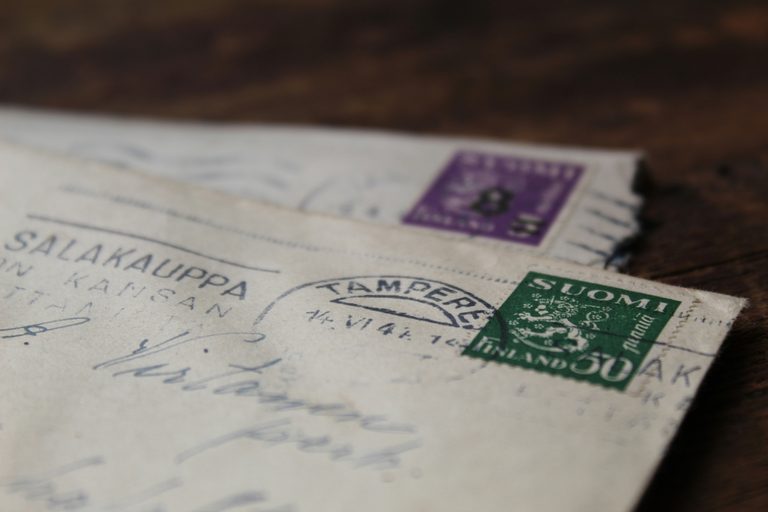
Collectors of postal history gathered this week to view a pair of letters recovered from the wreckage of United Air Lines Flight 14, which crashed into Elk Mountain in Wyoming on January 30, 1946. The letters, known as crash covers, were recovered from the remote crash site and are now being showcased in a short video posted by a local aviation enthusiast.
What happened on that night?
United Air Lines Flight 14 was a red‑eye service from Portland, Oregon, to Denver, Colorado. The twin‑propeller airliner was scheduled to cruise at 13,000 feet, but investigators later determined it was flying just over 11,000 feet and had strayed off its intended course. Heavy cloud cover and winter weather compounded the crew’s difficulties. While attempting to correct its navigation, the aircraft struck the summit of Elk Mountain, skidded across the peak, and broke apart. Some wreckage fell to the valley floor, while other pieces remained perched on the mountain’s ridge.
Crash covers: a niche of postal history
The two letters displayed in the video are examples of “crash covers,” a term used by the American Air Mail Society and the Wreck & Crash Mail Society to describe mail recovered from transportation accidents. Crash covers are prized by a small but dedicated community of collectors because they bear unique postmarks, censor marks, and sometimes handwritten notes that document the circumstances of the disaster.
These particular covers were found at the crash site during a recent search by a group of hobbyists. The letters were still sealed, bearing the original postmarks from 1946, and provide a tangible link to the passengers and crew who perished in the tragedy.
Why the interest matters
While only a handful of people follow wreck‑mail collecting, the hobby preserves an often‑overlooked facet of American history. Each crash cover tells a story of the people who wrote, mailed, and attempted to deliver correspondence during a time when air travel was still in its infancy. Organizations such as the American Air Mail Society maintain catalogs and archives that help researchers understand how early commercial aviation intersected with the nation’s postal system.
Beyond the hobby, the recovered letters serve as a reminder of the sacrifices made by early aviators and the challenges of flying in an era before modern navigation aids. The Civil Aeronautics Board’s original crash report, available online, details the investigation’s findings and offers insight into the safety improvements that followed.
Local relevance
Wyoming’s rugged terrain has claimed many aircraft over the decades, and each incident contributes to the state’s rich aviation heritage. By highlighting the discovery of these crash covers, local museums and historical societies can engage the community in preserving and interpreting this legacy. The Douglas Wyoming Train Museum, which houses a collection of transportation artifacts, may consider adding the covers to its exhibit, linking rail and air history in a single narrative.
For anyone interested in seeing the letters, the video posted by the collector can be viewed on the K2 Radio website. The crash report and additional documentation are also accessible through the Civil Aeronautics Board archive.
Original reporting: K2 Radio (Casper) — read the source article.