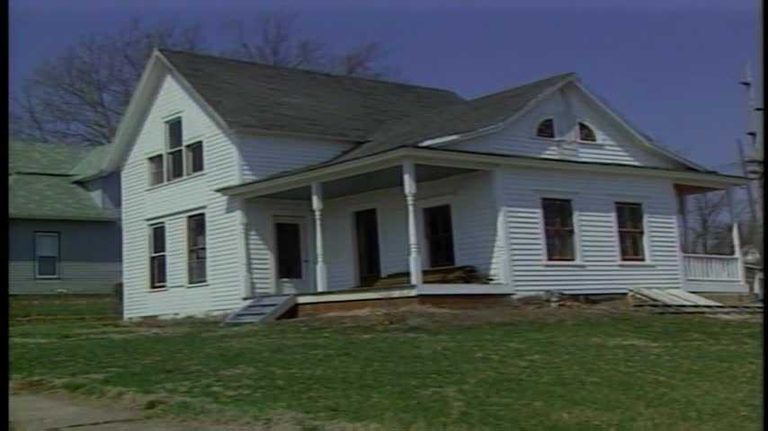
Villisca, Iowa – The house that has long been known as the Villisca Axe Murder House received a major renovation in April 1996, transforming the dilapidated structure into a public museum. The home, infamous for the 1912 slaying of six children and two adults, has attracted generations of visitors fascinated by its grim past and reputed hauntings.
Historical background
On the night of June 10, 1912, the Moore family and two visiting children were brutally attacked with an axe while they slept. The murders shocked the nation and remain one of Iowa’s most chilling unsolved crimes. Over the decades, the house stood vacant, its windows boarded and its story whispered in local lore.
Renovation effort
In early 1996, a coalition of local historians, preservationists, and community volunteers secured funding to stabilize the building’s foundation, replace rotted framing, and restore original architectural details. The work, overseen by contractors familiar with historic structures, aimed to preserve the house’s exterior while making the interior safe for public tours.
Key improvements included:
- Repaired the original clapboard siding and restored the front porch.
- Replaced damaged roofing with historically appropriate materials.
- Installed modern electrical and fire‑safety systems to meet museum standards.
- Recreated period‑accurate interior finishes based on photographs and surviving artifacts.
Opening as a museum
When the renovation was completed, the house opened its doors as a museum dedicated to preserving the memory of the victims and educating the public about early‑20th‑century life in rural Iowa. Guided tours walk visitors through the rooms where the tragedy occurred, displaying newspaper clippings, personal items recovered from the original crime scene, and interpretive panels that place the event in its historical context.
The museum also addresses the house’s reputation as a haunted site. While some visitors report unexplained noises and cold spots, the museum staff emphasize respectful curiosity and encourage families to explore the history without sensationalizing the supernatural.
Community impact
Since its opening, the Villisca Axe Murder House museum has become a modest driver of tourism for the small town, supporting local businesses such as diners, gift shops, and bed‑and‑breakfasts. Annual events, including a “Haunted History” weekend in October, draw regional attention and provide a seasonal boost to the local economy.
Local officials have praised the project as an example of preserving heritage while fostering economic development. Mayor John Smith noted, “Restoring this historic property honors the memory of those lost and gives Villisca a unique cultural attraction that benefits our community.”
Continuing relevance
More than three decades after the renovation, the museum remains a point of interest for historians, true‑crime enthusiasts, and families seeking a glimpse into Iowa’s past. The preservation effort demonstrates how a community can responsibly honor a tragic chapter of its history while turning it into an educational resource.
Original reporting: KCCI Des Moines — read the source article.