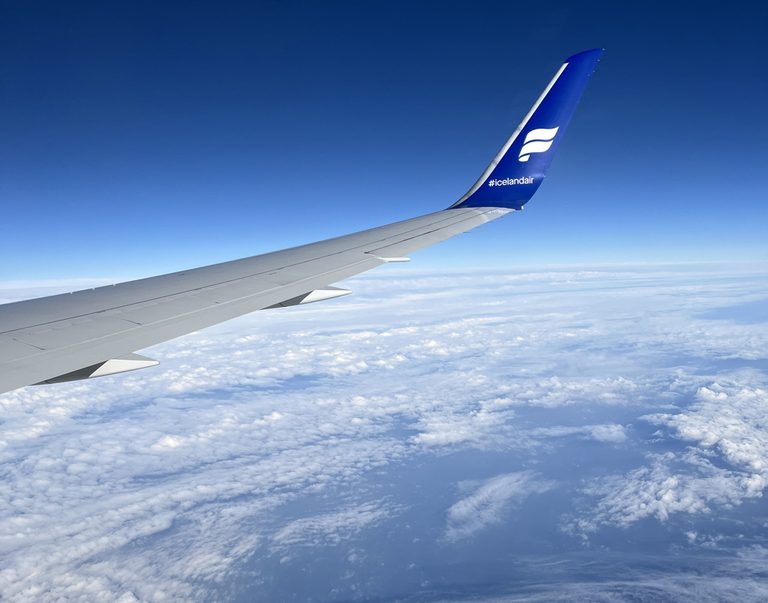
When a flight to Los Angeles dropped 3,675 feet in a single minute last week, passengers were jolted and four flight attendants were injured, one of whom required hospitalization. The incident, which occurred during the aircraft’s descent from 25,000 feet, illustrates a broader trend of increasing clear‑air turbulence (CAT) that pilots and crew across the nation are confronting.
Clear‑air turbulence on the rise
Researchers report that wind shear at cruising altitude – the primary cause of CAT – is up 15% since 1979. Over the North Atlantic, the number of hours of severe turbulence has risen 55%. Climate factors, including a near‑record El Niño this winter, are linked to a 50% increase in turbulence over large parts of the United States and the Atlantic corridor.
Professor Paul Williams of the University of Reading warns that his models predict a doubling or even tripling of such turbulence in the coming decades, making it a serious aviation safety concern comparable to the increasingly severe storms seen in the Northeast.
Why turbulence matters for flight‑crew safety
While modern jetliners are engineered to withstand extreme forces – Boeing’s testing showed a 777 wing could flex to 154% of its design limit before failure – the real danger lies in the cabin. The National Transportation Safety Board notes that flight attendants are 24 times more likely to be seriously injured than passengers during turbulence events. About half of turbulence‑related injuries occur during descent or approach, with 60% happening below 20,000 feet, precisely when crews are securing the cabin for landing.
At a Delta regional carrier, the flight‑attendants union reports that crew members are pressured to continue service through turbulence because of passenger‑satisfaction metrics, a practice that puts lives at risk for the sake of five‑star reviews.
Federal staffing cuts and weather forecasting
One factor contributing to the difficulty of predicting rough skies is the reduction in National Weather Service (NWS) personnel. The Trump administration’s effort to streamline government resulted in a 15% loss of NWS staff through cuts and buyouts. The Government Accountability Office recently found only 69 meteorologists working in FAA air‑traffic centers, well below the authorized cap of 81, with plans to shrink the workforce further to 64.
These staffing reductions have strained the agency’s ability to provide timely turbulence forecasts, leaving pilots and airlines with less advanced warning of hazardous conditions.
What travelers can do
While the best solution is a fully funded, modernized weather service, passengers can protect themselves by keeping seat belts fastened at all times, limiting bathroom trips during turbulence, securing carry‑on items, and following crew instructions, especially during descent when turbulence is most common.
Industry experts continue to call for accelerated deployment of lidar technology, which can detect clear‑air turbulence ahead of time, but the promise remains unfulfilled. Until such tools become standard, the combination of climate‑driven turbulence and reduced federal forecasting capacity underscores the need for a balanced approach: prudent government efficiency paired with adequate resources to keep America’s skies safe.
Original reporting: The Connecticut Mirror — read the source article.