On a rainy Tuesday in October, the Betty Brinn Children’s Museum on East Kilbourn Avenue draws a particular crowd: parents with strollers who’ve given up on the park, grandparents in town for the week, a few home-school groups moving through the exhibits with clipboards. The lobby hums with the specific low-grade chaos of children who are genuinely, completely absorbed in what they’re doing.
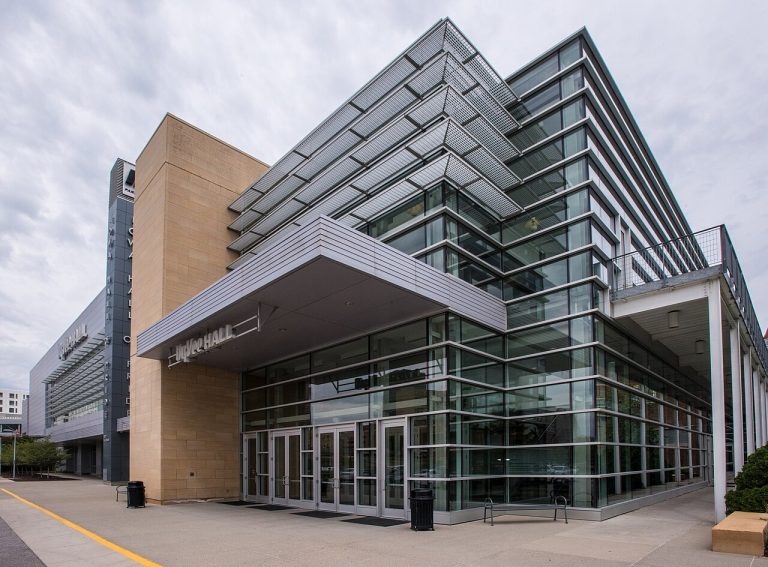
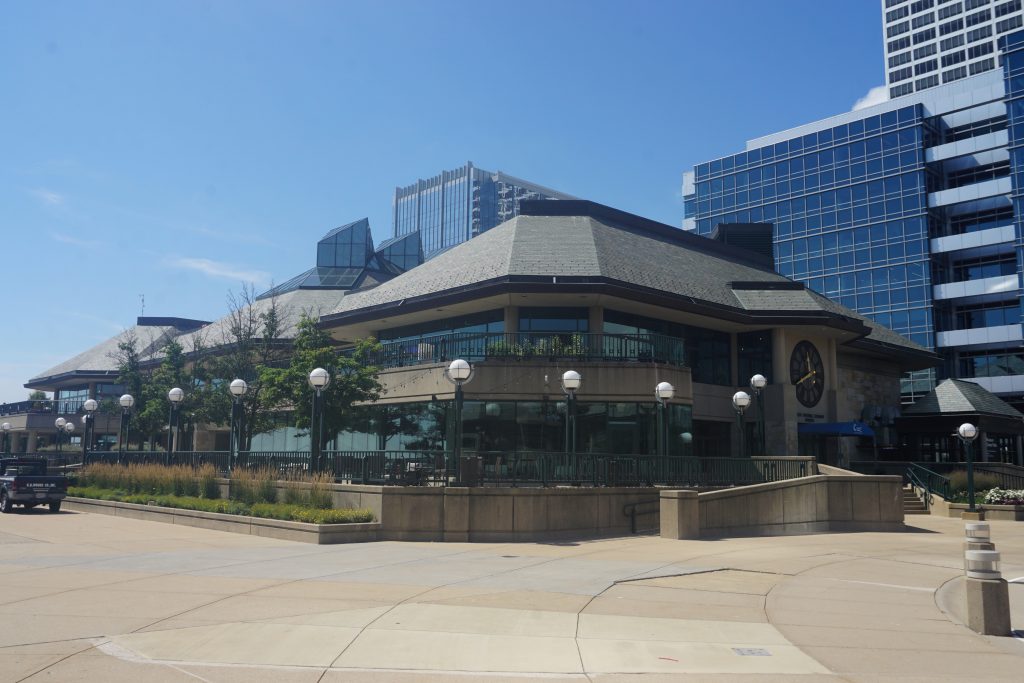
The museum sits in the lower level of an office building in the East Town neighborhood, a few blocks from the lakefront and close enough to the Milwaukee Art Museum that some families manage both in a single afternoon. From the outside, it’s easy to walk past. Inside, it’s about 57,000 square feet of hands-on exhibits designed for kids roughly twelve and under, and it runs with the kind of calm competence that only comes from a staff that has seen everything.
The anchor of the place is something called Home Base — a life-scale model of a Milwaukee neighborhood that kids can actually inhabit. There’s a miniature grocery store with a working conveyor belt checkout, a veterinary clinic, a bank with a pneumatic tube, a fire station. Children stock the shelves, diagnose the stuffed animals, deposit the play money. Adults stand around the perimeter watching their four-year-olds negotiate the cash register with total seriousness.
The Be a Maker studio draws older kids and the occasional parent who can’t help themselves — a workshop-style space with light tables, building materials, and tools scaled for small hands. On a slow Tuesday, a museum educator was walking two kids through a circuit-board project. No one was waiting their turn. That ratio — staff to visitors, attention to child — is one of the best arguments for going on a weekday, even if it means pulling someone out of school for the morning.
The HealthPath exhibit tends to be busier, partly because it has a giant hamster-wheel-style climber and partly because it connects to a longer passage that kids can crawl through at ceiling height. It’s loud. It’s fine. The whole place is calibrated for a certain level of noise, and the building absorbs it without feeling frantic.
Admission is $12 for anyone over one year old, which puts it on the affordable end for a full morning. Members get in free, and the museum runs a community membership program for families who qualify. First Sunday of every month is free for Milwaukee County residents, which is worth knowing — though it’s also worth knowing that first Sundays are significantly more crowded than a Tuesday in October.
The gift shop near the exit is small and not particularly pushy. The cafe sells the usual — juice boxes, packaged snacks, coffee for the adults who need it. Neither is the point. The point is the two hours before, when a kid runs the pretend grocery store checkout with complete authority, or figures out the circuit board, or climbs something and looks down at the grown-ups below with an expression of mild triumph.
Betty Brinn has been in this building since 1995, named after a Milwaukee businesswoman who donated the lead gift for the original construction. It doesn’t have the square footage of some children’s museums in larger cities, but what it has is edited well. Nothing feels like filler.