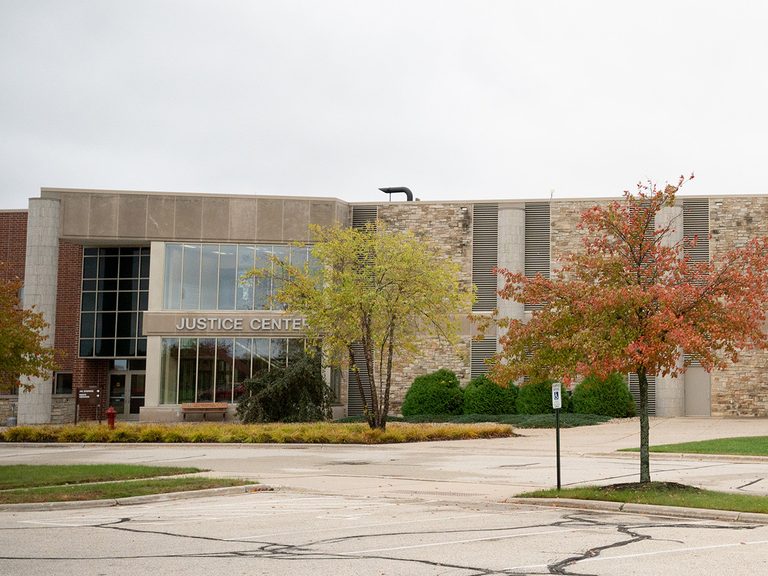
Door County officials announced on Oct. 8 that the county jail has entered an emergency staffing status. Sheriff Tammy Sternard reported that only 16 employees are on duty, far short of the 22 required for safe and effective operations.
Union Concerns and Vote of No Confidence
The Door County Deputy Sheriff’s Association, which represents jail staff, cited the chronic shortage, a two‑male minimum staffing policy, excessive overtime and a perceived lack of support in a June vote of no confidence against Sternard. Labor‑relations expert Jim Palmer, president of the Wisconsin Professional Police Association, explained that such votes are a last‑resort measure when workplace issues remain unresolved.
Sheriff’s Response
Sternard disputed the union’s characterization of her leadership. She said the sheriff’s office and county administration are actively recruiting additional deputies and working to reduce overtime burdens. The county has authorized 26 positions—including a lieutenant, three sergeants, 19 full‑time deputies, two court‑security deputies and an administrative assistant—but many remain vacant.
Overtime Costs and Staffing Gaps
From January 2023 through Sept. 30, 2026, Door County jail staff logged 14,937.75 overtime hours, costing $737,192.35. Statewide, corrections overtime accounts for 67% of all employee overtime spending in 2024. The jail’s minimum staffing requirement is four deputies at all times, using an eight‑hour overlapping shift schedule. Any vacancy forces remaining deputies onto overtime.
Turnover and Reasons for Resignation
Between 2023 and 2026, 29 security deputies left the jail; five retired, twelve resigned citing overtime, and thirteen cited shift hours that kept them away from family. Three departing deputies also mentioned a “negative work environment.”
Changing Inmate Needs
Sternard’s 2025 report noted that rising mental‑health and substance‑use issues among inmates demand more one‑on‑one staff attention, further straining the limited workforce. While the overall inmate population has remained stable, the proportion with these challenges has grown over the past decade.
Policy Options and Recommendations
County counsel Sean Donohue said the administration has tried several remedies, including adding one full‑time deputy last year and eliminating hard‑to‑fill part‑time roles. A rotating overtime system was introduced to spread the burden more evenly, though senior deputies can still decline overtime, leaving junior staff with the heaviest loads.
Consultants have repeatedly recommended a 12‑hour “Pitman” schedule, which would give employees an average of 15 days off per month versus the current eight‑day average. A 2020 McGrath Consulting Group analysis estimated the shift change would improve work‑life balance without significant cost savings, but the union opposed the proposal.
Next Steps
During the week of Oct. 8, Sternard met with union and jail‑division representatives to discuss actions under the emergency staffing plan. The temporary measure allows non‑security deputies to work overtime in the jail under specific conditions, bypassing certain bargaining‑unit contract rules.
Chief Deputy Kyle Veeser, who has served the sheriff’s office for about 20 years and was jail lieutenant from 2019 until 2025, warned that the facility has not been fully staffed since 2019 and this is the most severe situation to date.
County officials continue to seek qualified candidates to fill the remaining vacancies, emphasizing the importance of maintaining safety for both staff and inmates while reducing the overtime burden that has eroded morale.
Original reporting: Wisconsin Watch — read the source article.