In Indianapolis, local television newsrooms are re‑examining the role of mugshots in their broadcasts. After years of criticism that frequent mugshot displays can unfairly stigmatize Black and brown communities, both WTHR and FOX59 have adopted clearer guidelines that aim to protect viewers while still serving the public’s right to know.
WTHR’s cautious approach
When a September 29 sting operation led to the arrest of 11 men accused of soliciting a minor, WTHR chose not to air any mugshots. News director Cyndee Hebert explained that the station requires two conditions before showing a suspect’s photo: a formal charging document from the prosecutor and a commitment to follow the case through to its legal conclusion. “In this case we did not have the prosecutor’s statement of probable cause, and we were not prepared to track each outcome,” Hebert said. The report instead focused on the ages, hometowns, and the details of the sting, providing viewers with substantive information without relying on potentially prejudicial images.
FOX59’s public‑interest rationale
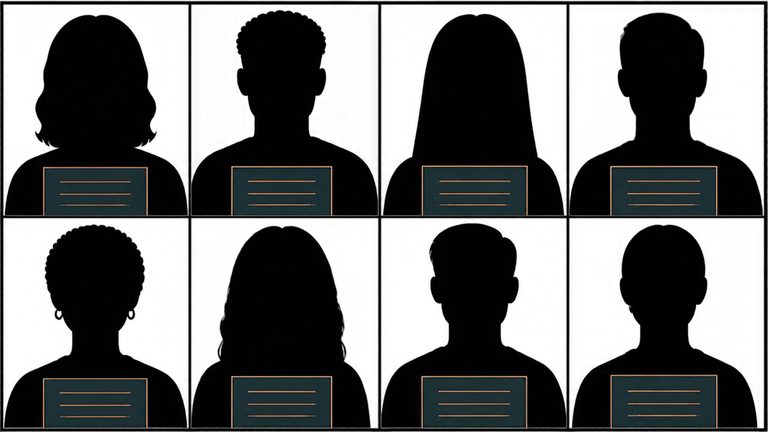
FOX59 took a different route, broadcasting all 11 mugshots. News director CJ Hoyt defended the decision, noting that crimes against children often involve unknown victims and that visual identification can serve a clear public‑interest purpose. “Sex crimes against children are serious, and the community has a right to see who is being charged,” Hoyt said. He also acknowledged that excessive mugshot use can create a distorted view of crime rates, adding that focus‑group feedback showed viewers find repetitive mugshot reels “pretty bad television.”
Industry standards and local law enforcement policies
Both stations operate under policies set by Nexstar Media Group, which were adopted in October 2022 after newsroom discussions about crime coverage. The Indianapolis Metropolitan Police Department and the Marion County Sheriff’s Office release adult mugshots only upon request, while the Hamilton County Sheriff’s Office posts them automatically for booked individuals. This means that the decision to air a mugshot ultimately rests with the news outlet, not the police.
Expert perspective on responsible crime reporting
Kerwin Speight, a veteran faculty member at the Poynter Institute, advises journalists to ask whether a mugshot truly adds value to a story. “It’s appropriate in breaking‑news situations where there’s imminent danger, but not for minor offenses like shoplifting,” he said. Speight’s training program, “Transforming Crime Reporting into Public Safety Journalism,” encourages reporters to consider the impact of visual identifiers on community trust.
Balancing transparency with fairness
Recent research underscores the stakes. A 2023 Pew Research Center study found that 42% of African Americans feel the news “only covers certain segments of Black communities,” and 43% say coverage “significantly stereotypes Black people.” By limiting mugshot use to cases where it serves a clear safety function, stations can help reduce these perceptions of bias.
At the same time, the stations recognize that viewers want accurate information about serious crimes. Hoyt noted that the broadcast of many mugshots can give the false impression that crime is more prevalent than it actually is, a concern echoed by community members who participated in the stations’ focus groups.
What this means for Indianapolis viewers
For local audiences, the evolving policies mean a more thoughtful news experience. When a story involves a public‑safety emergency or a crime with direct community impact, viewers can expect to see relevant images. In less urgent cases, reporters will rely on narrative details rather than visual identifiers, reducing the risk of unfair stigma.
As Indianapolis newsrooms continue to refine their practices, the goal remains clear: provide honest, accurate reporting that respects the dignity of all citizens while keeping the public safely informed.
Original reporting: Mirror Indy — read the source article.