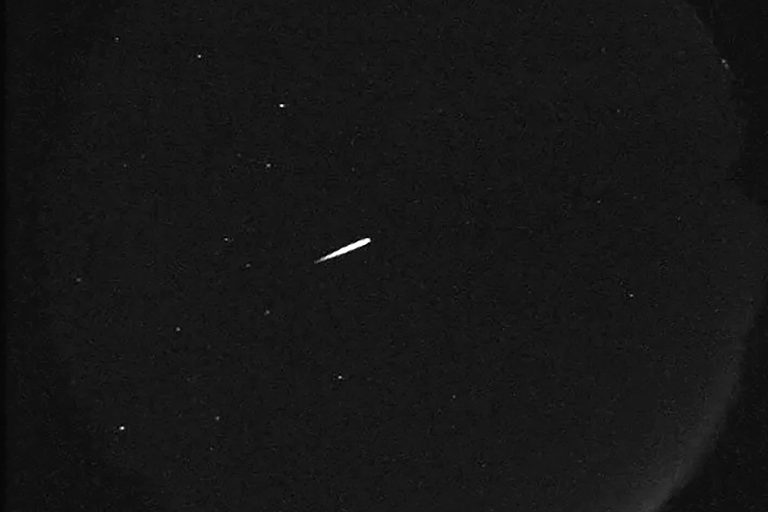
The Orionid meteor shower, one of the two major showers produced by debris from Halley’s comet, is set to peak this week. According to the American Meteor Society, observers can expect up to 20 meteors per hour during the peak period on Wednesday night into Thursday morning, provided the sky is clear and free of light pollution.
What Makes the Orionids Special
Unlike many meteor showers that appear to radiate from a single point in the sky, the Orionids can be seen across the entire night sky. They are named for the Orion constellation, but the meteors streak in all directions after midnight in both the northern and southern hemispheres, NASA notes. These meteors are known for being especially bright and fast, often leaving glowing trains that linger for several seconds.
When and Where to Look
The best viewing window is after midnight and into the early predawn hours, when the moon is below the horizon and artificial lighting is minimal. This week, a bright moon will remain in the sky until it sets late at night, which may dim visibility until after moonset. Once the moon has set, look toward any part of the sky; the Orionids do not require you to point your eyes toward a specific constellation.
How to Prepare for a Successful Viewing
No special equipment is needed—just a clear view of the sky. To maximize your chances:
- Find a location far from city lights and other sources of light pollution.
- Allow your eyes several minutes to adjust to the darkness; avoid looking at bright screens or lights.
- Dress warmly and bring a comfortable chair or blanket for an extended night outdoors.
Patience is key; meteors can appear sporadically, and it may take a few minutes before you notice a steady rate.
What Comes Next
After the Orionids, the next major meteor shower is the Southern Taurids, expected to peak on November 5. That shower will benefit from a crescent moon, offering favorable viewing conditions for those who enjoy night‑sky watching.
Whether you are an avid stargazer or just curious about the wonders above, the Orionid meteor shower provides a beautiful reminder of the universe’s ongoing dance with Earth. Clear skies and a dark horizon are all you need to witness this celestial display.
Original reporting: NBC Connecticut — read the source article.