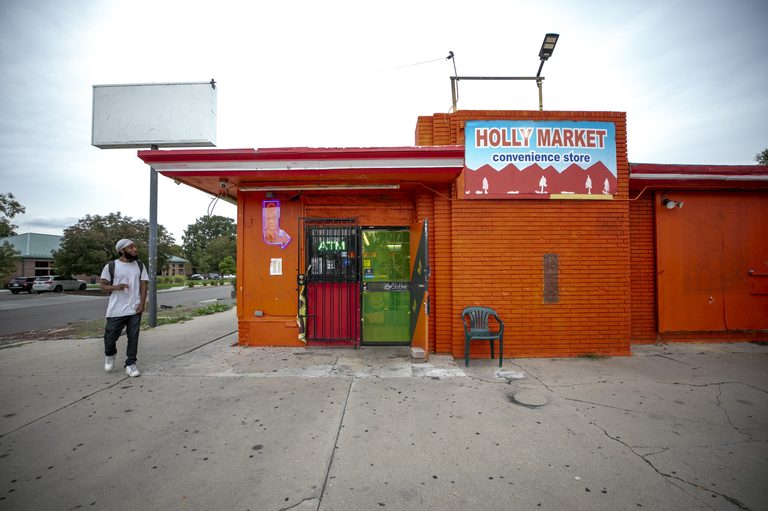
In Northeast Park Hill, a young entrepreneur is working to turn a rundown corner shop into a reliable source of fresh food for a community that has lacked a grocery store since the departure of King Soopers and Safeway half a century ago. Urja Paudel, 28, signed a ten‑year lease on the Holly Market last year and has already added more produce to its shelves than the store has seen in years.
Dreams of a healthier neighborhood
Paudel’s family, whose father runs a liquor store and gas station, discovered the dilapidated property on 33rd Avenue between Holly and Hudson streets. While the building was known more for selling pipes than potatoes, Paudel saw an opportunity to serve a food‑desert area that has long begged for a grocery outlet.
“If I take over, I can maybe try to bridge that gap,” she said. “But it has been very difficult.” The shop’s refrigerators are broken, the ceiling is crumbling, and the floor is cracked, yet Paudel has kept the shelves stocked enough for a family meal, even if prices are higher than the big‑box stores in nearby Central Park.
Financial hurdles and community support
For the past year the market has barely broken even, making it impossible to fund major repairs or new shelving. Still, the store has become a gathering place for residents of all ages, who appreciate the personal touch and the effort to avoid waste by giving away produce that is past its prime.
City Councilmember Shontel Lewis is aware of Paudel’s challenges and is exploring resources that might help. “We’re looking at what the Denver Urban Renewal Authority (DURA) can do for her,” Lewis said.
New competition looming
Complicating matters, the building’s co‑owner, Ty Allen—owner of Mississippi Boy Catfish and Ribs—has partnered with landlord Deloris Wilson to pursue a larger grocery concept in the former Horizon Lounge, a shuttered bar a few doors down. Allen says he respects existing leases and has no intention of forcing Paudel out, but his vision includes eliminating nightclubs in the shopping center and replacing them with a bigger grocery store.
“They’re trying to make that a grocery store,” Paudel warned, pointing to the vacant bar. “This place is already functioning. But I need help making it so I can bring more produce in here.” With a decade‑long lease, Paudel worries that a competing grocery could draw away the limited customer base that sustains her business.
City involvement and future options
The dispute has drawn attention from the Denver Urban Renewal Authority, which has paused potential funding for projects in the shopping center while the controversy is resolved. Paudel’s own request for DURA funding to repair her shop remains pending.
She is also considering expanding into neighboring storefronts if the landlord allows, a move that could increase her footprint and better serve the community’s needs.
Community reaction
Neighbors have voiced strong opinions. Some fear that a larger grocery could push out the small, family‑run market that has become a neighborhood staple. Others argue that a bigger store might finally bring the variety and pricing power the area has lacked for decades.
“We just want more space,” Paudel said, gesturing to a tiny shoe rack holding onions, peppers, potatoes and a few wrinkly tomatoes. “We try to keep what we can, and then once things go older, the tomatoes and stuff, we try to just give them out before we throw them away.”
Looking ahead
As the city watches the dispute unfold, the outcome will shape the future of food access in Northeast Park Hill. Whether the Holly Market can secure the repairs it needs or whether Allen’s larger grocery will materialize, the residents remain hopeful that their neighborhood will finally have a stable source of fresh, affordable groceries.
Original reporting: Denverite — read the source article.