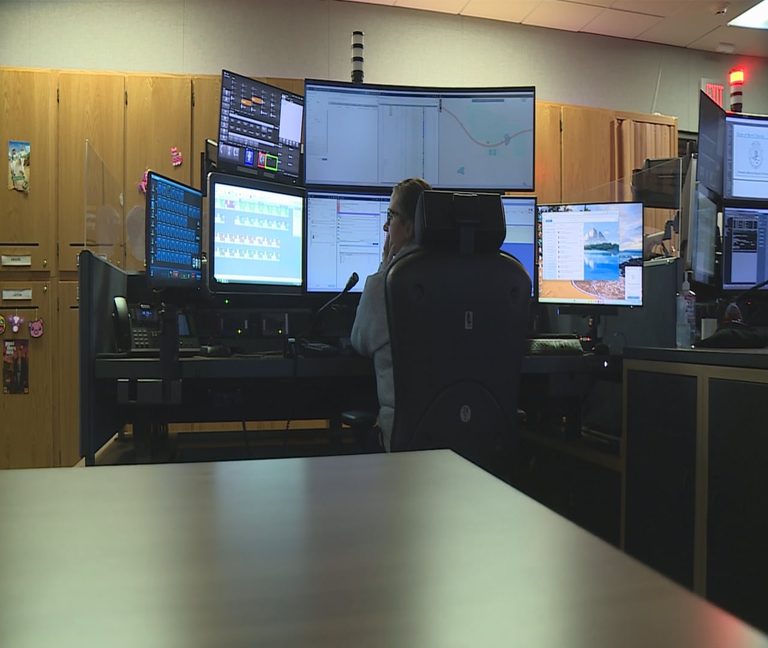
County officials across North Dakota are evaluating whether to combine emergency‑service functions such as 911 dispatch and ambulance coordination into a regional system. The push is driven by a desire to reduce expenses and generate new jobs for local residents.
Local leaders stress community ties
“I like having my local people dispatch me out to calls, working with their communications with local people. The concerns we see at these meetings is possibly going to a state system and not having that local connection,” said Nick Moser, president of the Association of Counties. “Definitely a huge cost savings to regionalize.”
State communications center acknowledges staffing gaps
The State Emergency Communications Center is not opposed to regionalization, but it has recently shifted toward a more centralized model. The center added three additional counties to its roster, citing a shortage of volunteers and staff as a primary factor.
“I think it’s a big draw, us specializing in the local and being able to build those relationships and not overlook the urban versus rural conversation that, you know, regionalization may bring on to the table,” said Darin Anderson, director of the State Emergency Communications Center. Anderson added that the relationship between centralized counties and the Bismarck command center remains strong, even as new counties join the network.
Potential benefits and concerns
Supporters argue that a regional approach could streamline call routing, reduce duplicate administrative overhead, and free up funds for other community priorities. By pooling resources, smaller counties could gain access to advanced technology and training that might be unaffordable on their own.
Critics worry that moving to a broader system could dilute the personal touch that local dispatchers provide. They fear that a larger, more distant operation might be slower to understand the unique geography and cultural nuances of each county.
What the next steps look like
County commissions are expected to hold public hearings in the coming weeks to gather input from residents, first‑responders, and business owners. After the consultation period, each county will vote on whether to join a regional emergency‑services agreement.
Should the regional model be adopted, the State Emergency Communications Center has pledged to maintain close coordination with local officials to ensure that response times remain fast and that community members continue to receive personalized service.
Why this matters for North Dakota families
For families in rural areas, reliable emergency response can be a matter of life and death. By exploring ways to keep costs down while preserving—or even expanding—local employment, the counties hope to protect both safety and the economic health of their communities.
Original reporting: KFYR-TV Bismarck (news) — read the source article.