At a recent Let’s Talk gathering in Lenexa, Kansas, longtime residents Melinda and Ken Lickteig opened up about the life‑changing stroke Melinda suffered while working at Sunflower Elementary School. Their story highlights the importance of swift emergency response, comprehensive rehab services, and a strong faith‑centered support network.
Stroke strikes at work
Melinda was on duty as a paraprofessional when she felt something was wrong after a snack break. “We finished snack, and I took the little boy I was working with over to a seat. We didn’t even get to the seat and I just fell on the floor,” she recalled. A coworker immediately recognized the seriousness of the situation and called 911. Emergency responders confirmed she had suffered a stroke.
Hospital care and rehabilitation
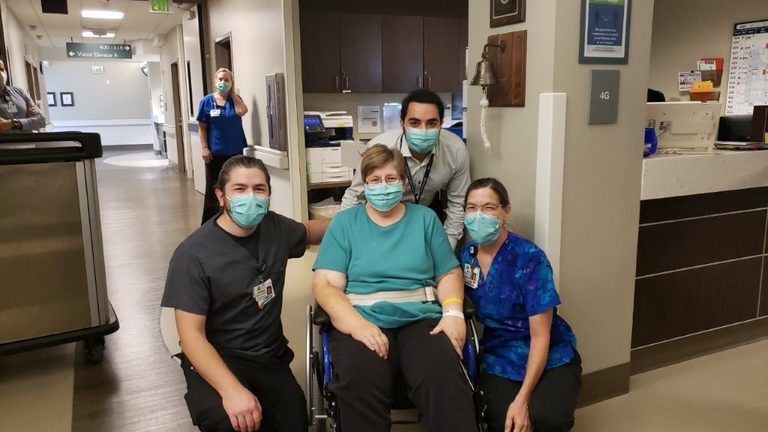
After stabilization, Melinda was transferred to Menorah Medical Center in Overland Park, where she spent more than a month in intensive rehabilitation. “That’s where I learned to walk again,” she said. “You’re learning to walk, you’re learning to do all of the things that you did when you were a little‑bitty baby.”
Melinda credits the hospital’s physical‑therapy, occupational‑therapy, and nursing teams for helping her regain basic skills. The Lickteigs also note the continued support of Menorah’s case‑management staff, who coordinate home‑based services for patients after discharge.
Community resources for stroke survivors
Jordan Bauer, the sepsis and stroke coordinator at Menorah, explained that the center offers a range of at‑home services, including physical therapy, occupational therapy, and nursing care. “Even if you have been treated and released from another hospital, you can still reach out to us for continuing care,” Bauer said. “We have a case‑management team that can help set up the patient with the services they need.”
Ken Lickteig echoed the sentiment, urging other families to seek help without hesitation. “There are resources out there, and I know if you were feeling down, contact these people and they will help you,” he said, expressing gratitude for the medical support his family received.
Faith and family as pillars of recovery
Throughout the conversation, Melinda emphasized the role of her faith and family in her healing process. “I thank the Lord every day that I’m alive,” she said, underscoring how prayer and a supportive household helped her stay motivated during the long road to recovery.
The Lickteigs hope their testimony will inspire other stroke survivors in Lenexa, Overland Park, and the broader Johnson County area to pursue available resources, even if asking for help feels uncomfortable at first. Their message aligns with the mission of the Let’s Talk series: to foster community dialogue around health challenges and empower residents with practical information.
How to access services
Anyone recovering from a stroke can contact Menorah Medical Center’s case‑management department at (555) 123‑4567 to discuss home‑based therapy options, equipment needs, or nursing assistance. The center also provides educational materials on stroke prevention, lifestyle adjustments, and follow‑up care.
By sharing their experience, the Lickteigs aim to ensure that no one in the Lenexa community faces a stroke alone, and that every survivor knows help is just a phone call away.
Original reporting: KSHB 41 Kansas City (local) — read the source article.