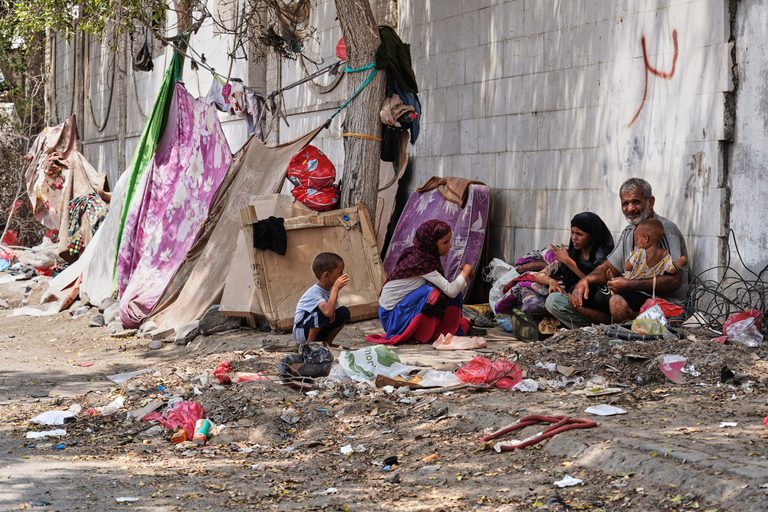
Yemen’s capital, Sanaa, was the target of airstrikes early Monday, according to the Houthi rebels who control large swaths of the country. The Houthi media center said the strikes hit the Hamdan and Thourah districts at roughly midnight, and immediately blamed Saudi Arabia for the attacks. Saudi officials have not yet responded.
Houthi‑Saudi tensions rise
The Houthi statement came amid a broader pattern of missile and drone launches aimed at Saudi Arabia’s airports and infrastructure. The rebels, who receive support from Iran, have intensified their campaign as the conflict between the two sides escalates. While the Houthi centre provided no casualty figures, the claim underscores the fragile security situation on the Arabian Peninsula.
Drone strike endangers Indian crew in the Strait of Hormuz
In a separate incident, India’s Foreign Ministry reported that a commercial tanker, the MT PETRO DOLPHIN, was struck by a drone in the Strait of Hormuz on Sunday. The vessel was carrying eleven Indian seafarers; two are now missing after the attack. A second tanker, the Marshall Islands‑flagged MT VALTHERA, was hit by an unidentified projectile, igniting a fire on board. All eleven Indian crew members on that ship were reported safe.
The Indian ministry said its embassy in Muscat is working with Omani authorities and the ships’ management companies to locate the missing crew members. It condemned the attacks, describing repeated strikes on commercial shipping as “deeply concerning and risk further aggravating an already volatile situation.”
UAE calls for joint Gulf response
An Emirati diplomat, Anwar Gargash, who advises the rulers of the United Arab Emirates, urged a coordinated Gulf effort to defend the region against attacks he attributes to Iran and its allied groups. Gargash warned that Iran’s allies view Gulf Arab states as the “weakest link” in the United States‑Israel coalition, and he emphasized that security threats to Saudi Arabia also endanger the UAE and all Gulf nations.
These developments come as the broader Middle‑East security environment remains tense, with Iran’s influence continuing to shape proxy conflicts across the region. The United States, under President Trump, has reiterated its commitment to protecting maritime commerce and supporting allies in the Gulf, though specific policy actions were not detailed in the source material.
What this means for regional stability
The twin incidents highlight two critical concerns for the international community: the risk of further escalation between the Houthi movement and Saudi Arabia, and the vulnerability of vital shipping lanes in the Strait of Hormuz, a chokepoint through which a significant portion of the world’s oil passes. Continued attacks could disrupt global energy markets and increase insurance costs for commercial vessels.
Stakeholders, including regional governments, shipping companies, and foreign ministries, are urged to maintain heightened vigilance and to pursue diplomatic channels that can de‑escalate hostilities while safeguarding the flow of commerce.
Original reporting: Alexandria, VA News – WTOP News — read the source article.