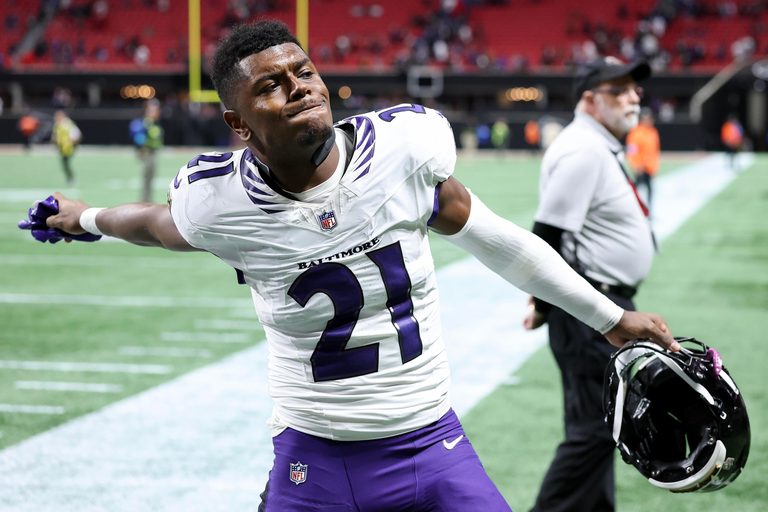
On Sunday night, the Baltimore Ravens demonstrated a daring tactical shift in overtime against the Atlanta Falcons, turning conventional wisdom on its head to claim a 30‑23 road win. Rather than following the typical approach of kicking off, Ravens head coach Jesse Minter elected to receive the ball first, aiming to control the clock and limit the Falcons’ offensive options.
Why the Ravens Chose to Receive
Since the NFL introduced the two‑possession overtime format, most teams opt to kick, using the defense to force a quick field‑goal attempt and then capitalizing with their own offense. Coach Minter, however, believed that by taking possession immediately, the Ravens could dictate the pace, force the Falcons to burn their timeouts, and ultimately make Atlanta’s offense one‑dimensional.
Clock‑Eating Drive
The Ravens’ 14‑play, 7‑minute drive featured a heavy dose of power running from Derrick Henry and short passes from quarterback Tyler Huntley. Henry carried the ball six times, while the longest pass was a modest 10‑yard completion. The sustained drive ate away at the clock, leaving the Falcons with less than three minutes and only two timeouts remaining.
By the time Baltimore reached second‑and‑goal, the Falcons were forced into a position where they had to pass to stay in the game, effectively neutralizing their most reliable weapon, running back Bijan Robinson. The situation was compounded by an injury to Atlanta’s starter Michael Penix Jr., leaving the team to rely on Tua Tagovailoa under pressure.
Final Play Seals the Victory
On the second play of the overtime period, Tagovailoa attempted a pass that was intercepted by Ravens safety Kyle Hamilton. The turnover ended the game, giving Baltimore the win without giving the Falcons a chance to respond.
Coach Minter praised his team’s discipline and willingness to defy conventional overtime strategy. “We trusted our ability to grind out the win and control the clock,” he said. “It’s a testament to the character of this group.”
Implications for Future Overtime Games
The Ravens’ success may prompt other teams to reconsider the default kickoff approach in overtime. By prioritizing clock management and forcing opponents into predictable passing situations, a team can limit the opponent’s play‑calling flexibility and increase its own chances of securing a decisive victory.
While the strategy carries risk—if the drive stalls, the opposing team could gain a short field—it proved effective for Baltimore on this occasion. Fans and analysts will be watching closely to see if this unconventional tactic becomes a new blueprint for overtime play.
Key Takeaways
- Ravens chose to receive the ball in overtime, a rare move under current NFL rules.
- A 14‑play, 7‑minute drive consumed the clock and forced the Falcons to use both timeouts.
- Interception by Kyle Hamilton ended the game, securing a 30‑23 victory.
- The strategy highlights the importance of clock control and may influence future overtime decisions.
Original reporting: All Sports Feed (HLL/CB) — read the source article.