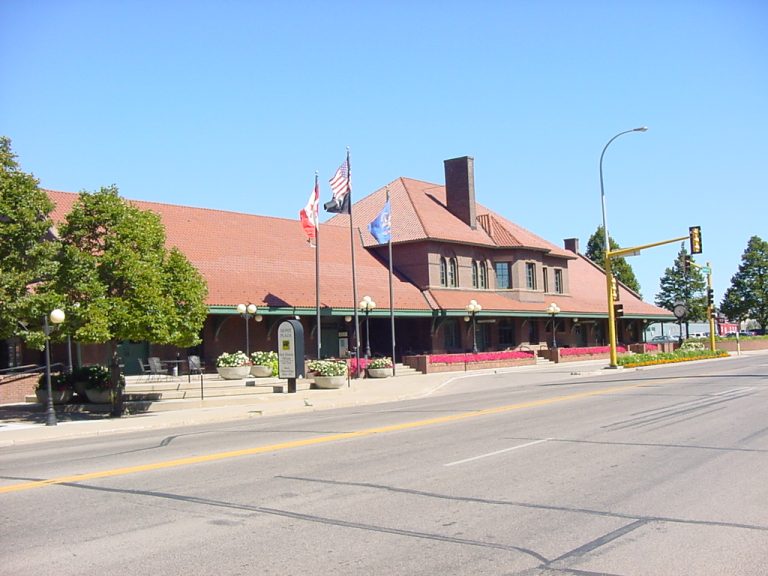
Pam Dennis will tell you she didn’t plan to make a career out of running a farmers market. She was working in nonprofit development in the early 2000s when the idea for a downtown market started circulating among community groups, and somehow she ended up at the center of it. That was 2006. She’s still there every Saturday morning, walking the rows of vendor stalls beneath the old Central Station train shed on South Main, clipboard in hand, stopping to talk to the couple selling microgreens, checking in with the woman who drives up from Coldwater, Mississippi, with fresh eggs and sweet potato jam.
The Memphis Farmers Market runs from early May through October, Saturday mornings from 8 a.m. to 1 p.m. It’s free to walk through, which means it draws a genuinely mixed crowd — retirees from Midtown, young families from Cooper-Young, regulars from Binghamton who know exactly which vendor has the best field peas that week. On a good Saturday in July, there are 60 to 80 vendors spread across the plaza.
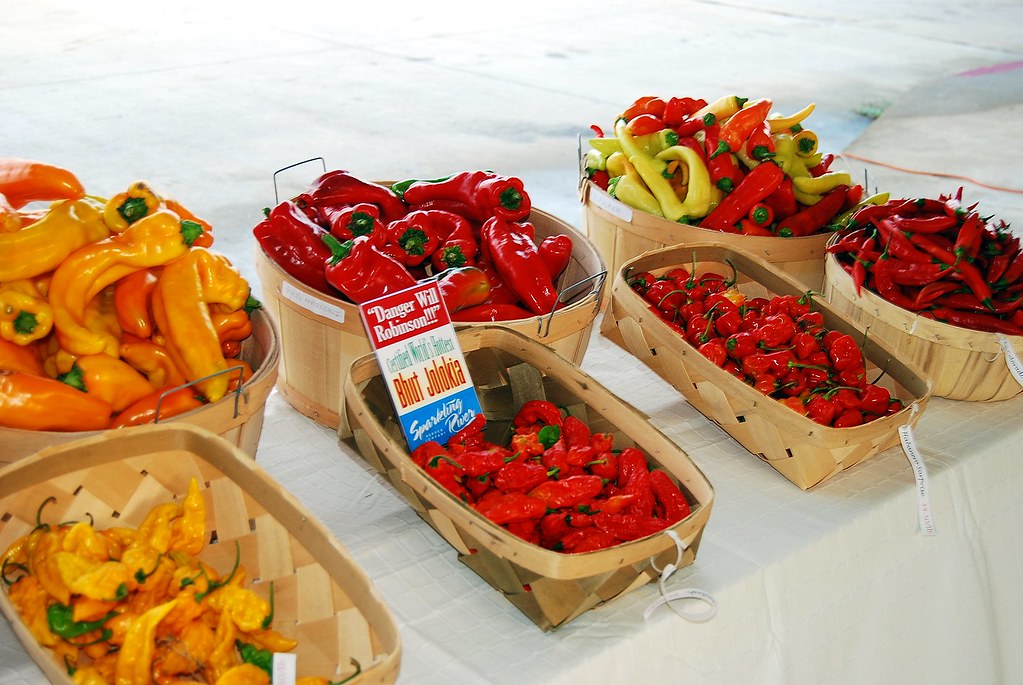
What makes this market worth your time isn’t just the produce, though the produce is serious. You’ll find things here that don’t show up in grocery stores: muscadine grapes, Bloody Butcher cornmeal, fresh-cut okra still slightly warm from the field. Several vendors have been coming since the first year. Dennis knows their kids’ names. She knows which farmer had a rough spring and which one expanded acreage. That continuity shows up in the product — these aren’t people chasing trends. They grow what grows here.
Dennis is deliberate about who gets a stall. The market has vendor standards requiring that food be grown or produced within a defined regional radius. That’s not window dressing — she enforces it. A few years back, she turned away a vendor who was reselling wholesale produce. It cost her a stall fee and some political friction, but she held the line. That kind of thing doesn’t make headlines, but it’s why the serious cooks in Memphis — the ones who supply their own restaurants — shop here and not somewhere else.
Beyond produce, you’ll find prepared foods, local honey (three or four different operations, with real differences in flavor depending on the season and the bees’ forage), fresh-cut flowers, pottery, and a handful of food trucks parked along the perimeter. The prepared food situation has gotten better in recent years. There’s usually a tamale vendor by 8:30, a bánh mì stand that sells out before 11, and a Nigerian food operation that showed up two seasons ago and has become one of the market’s most consistent draws.
Parking is the one genuine headache. The Central Station lot fills up fast, and street parking on South Main disappears by 8:15. If you’re coming from Midtown, the bike ride down is easy and there’s secure parking for bikes near the entrance. Otherwise, arrive early or budget time to walk a few blocks.
Dennis isn’t the story she’d want you to write, and she’d probably be annoyed that this piece keeps coming back to her. But the market reflects her priorities in ways that are hard to ignore — practical, community-rooted, more interested in the long game than the Instagram moment. That’s not a common thing in the food-event space, and it’s the reason the Memphis Farmers Market has lasted when so many others in mid-sized cities have faded out.
If you go once, go in late June or early July, when the summer harvest is fully underway and the stalls are at their most abundant. Bring a bag, bring cash, and plan to stay at least two hours.