The menu at Cha Time Noodle House in Frisco has not changed much since Tony Chen opened it, and that’s exactly the point. Chen, who spent years cooking in Dallas before landing on Preston Road, decided early on that a focused menu done right beats a sprawling one done halfway. There are maybe a dozen noodle dishes on the board, a handful of small plates, and a tea list that runs longer than most people expect from a strip mall lunch spot.
The restaurant sits in a shopping center off Preston Road near Eldorado Parkway — not a destination block, not a design district, just the kind of practical Frisco corridor where dry cleaners and nail salons outnumber restaurants. From the outside, Cha Time doesn’t announce itself. Inside, it’s spare and clean: maybe fifteen tables, pendant lighting that actually works, and a counter where Chen or one of his two cooks can be spotted adjusting the broth through the pass-through window most afternoons.
That broth is the reason people keep coming back. The house beef noodle soup starts with a base that simmers overnight — deep, mahogany-colored, with a clean richness that doesn’t tip into heaviness. The noodles are hand-pulled in-house, thick enough to hold their shape through the whole bowl, which matters more than it sounds when the broth is hot. A regular who has been eating there since the place opened three years ago described Chen’s version simply: “It doesn’t taste like it came out of a bag.” That’s the whole review, really.
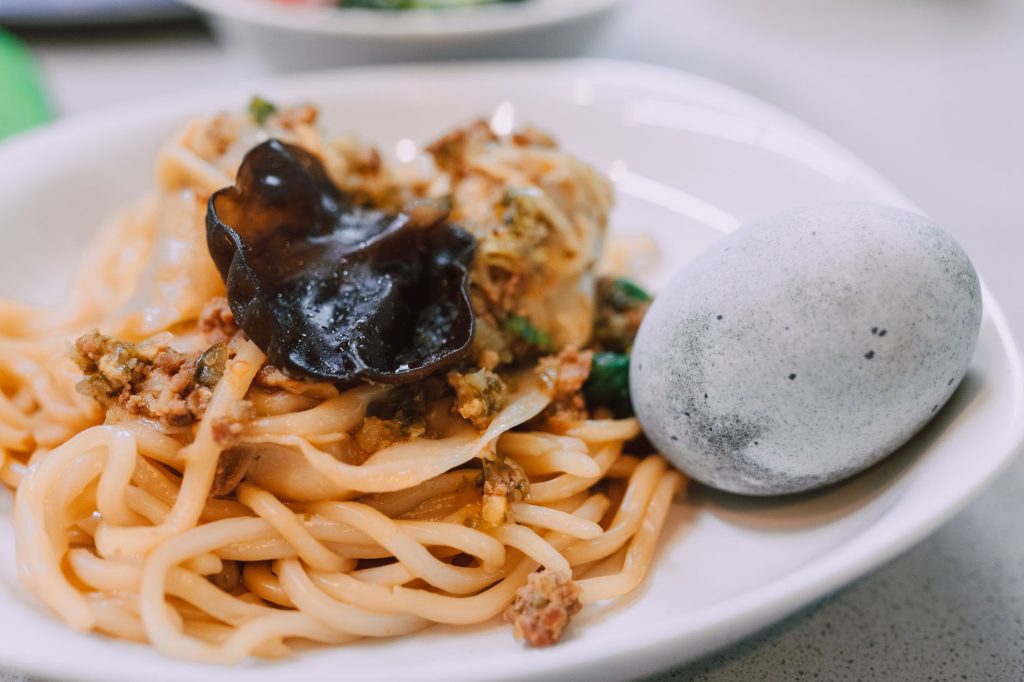
The scallion oil noodles are the sleeper order. Cold-dressed, served at room temperature, with a slow burn from chili oil and enough garlic to be noticeable without being aggressive. They arrive in about four minutes, which makes them popular with the lunch crowd — office workers from the surrounding area who need to be back at their desks. The dan dan noodles run spicier than most local versions, and Chen doesn’t apologize for that.
Small plates are worth ordering. The cucumber salad is sharp and garlicky. Pork and chive dumplings come six to an order, pan-fried with a crust that holds together. Prices throughout land well below what comparable bowls cost at newer, louder noodle concepts opening across the Metroplex — most dishes fall between ten and sixteen dollars.
The tea side of the menu reflects the name more than most customers initially realize. Chen makes his own taro milk tea and a roasted oolong that he sources from a Taiwanese supplier. It’s not a bubble tea shop, and he’s careful to say so. The drinks are quieter, less sweet, meant to be sipped alongside food rather than instead of it.
Lunch is the peak window — roughly eleven-thirty to one-thirty on weekdays — and the room fills fast. Weekday evenings are calmer, and dinner seating rarely has a wait. Cash is accepted; so are cards. Parking in the lot is easy. There’s nothing complicated about getting there or getting in.
What Chen has built is straightforward and consistent, which, in a city that keeps adding restaurants faster than most people can track, turns out to be rarer than it should be.