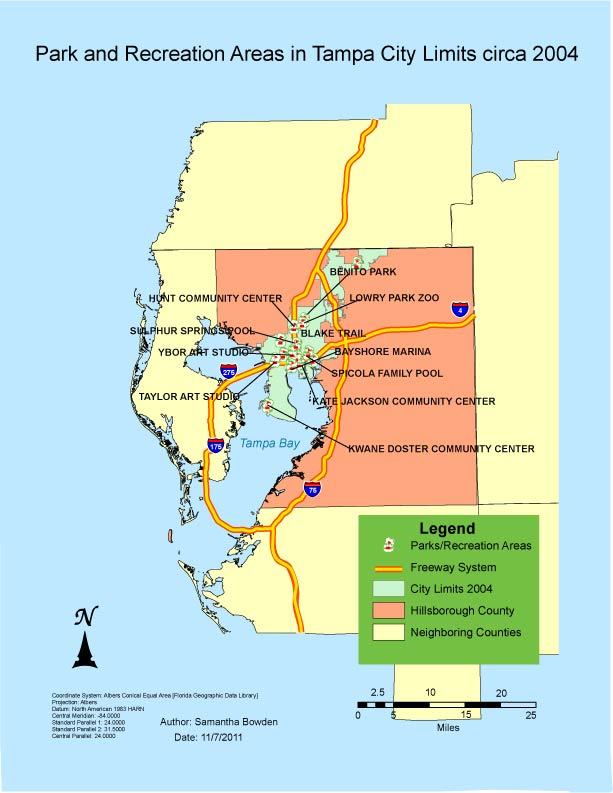
There are afternoons in Houston when you want something completely, unapologetically different — not a rooftop bar, not another tasting menu, not a curated gallery experience. You want something that makes you feel like a kid who just discovered the world is genuinely strange and magnificent. That is precisely what Gator Country delivers, tucked away in Beaumont just east of Houston on I-10, about an hour and fifteen minutes from downtown — close enough for a Saturday adventure, far enough to feel like you’ve actually gone somewhere.
Gator Country is a wildlife park and rescue facility dedicated almost entirely to American alligators and other reptiles, and the moment you walk through the gates, any skepticism you arrived with evaporates fast. The place covers several sprawling acres, and the gators — hundreds of them — are not behind thick glass or separated by polite informational plaques. You are close. Comfortably safe, yes, but close enough to genuinely appreciate that these animals are ancient, armored, and absolutely unbothered by your presence.
The facility’s signature experience is the alligator show, held multiple times daily in a natural-looking arena where trained staff handle live gators and educate the crowd on behavior, biology, and conservation. The handlers are not performing a Vegas act — they are clearly passionate naturalists who happen to work with apex predators for a living, and their enthusiasm is infectious. When a twelve-foot gator named Big Al ambles past the viewing area, you feel it in your chest.
What separates Gator Country from a roadside curiosity is its genuine conservation mission. The park rescues nuisance gators from across Texas and Louisiana — animals that would otherwise be euthanized — and gives them a permanent home. Every creature here has a story, and the staff will tell you all of them if you ask. That context transforms what might feel like a spectacle into something with real substance.
There are also albino alligators, which look like something out of a fantasy novel — pale white with ice-blue eyes — and a generous assortment of other reptiles including large pythons, turtles, and venomous snakes in secure enclosures. Children are wide-eyed throughout; adults who thought they knew what to expect are routinely caught off-guard by how genuinely fascinating the whole operation is.
Admission is affordable by any standard — well under thirty dollars for adults, less for children — and the park is open year-round, though spring and summer bring the most gator activity since the animals are cold-blooded and love warm weather. Bring sunscreen, wear comfortable shoes, and plan to stay longer than you think you will. Gator Country has a way of making two hours disappear completely.
It is not glossy. It is not Instagram-perfect in the conventional sense. But it is real, it is educational, and it is the kind of place that reminds you why getting out of the city occasionally — even just slightly — is always worth the drive.