There is a particular kind of magic that happens when a neighborhood decides to take its arts seriously — not in a glossy, corporate-sponsored way, but in the roll-up-your-sleeves, paint-the-walls-yourself way. That is exactly what you find tucked into Bridgeport’s Black Rock neighborhood, where community-driven arts programming has quietly turned this waterfront enclave into one of the most creatively alive pockets in coastal Connecticut.
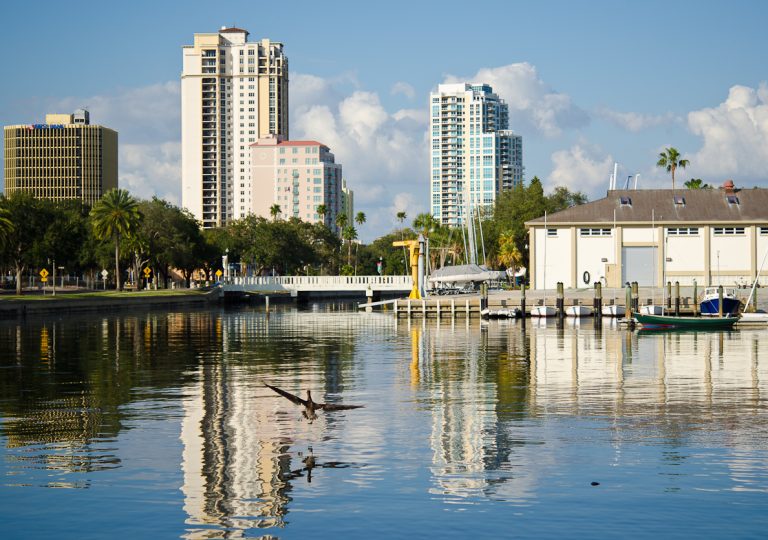
Black Rock itself is worth the trip on its own terms. Sitting on the western edge of Bridgeport along the shores of Black Rock Harbor, it has the unhurried feel of a village that somehow escaped the noise of the rest of the city. Tree-lined streets, painted Victorian storefronts, a genuinely good diner or two, and a waterfront that catches the afternoon light in a way that will make you reach for your phone whether or not you consider yourself a photographer. But the arts scene here is what earns it a dedicated afternoon on your calendar.
Throughout the year, the Black Rock Community Council organizes a rotating calendar of gallery shows, outdoor murals, live music events, and neighborhood arts walks that draw local painters, sculptors, printmakers, and musicians into shared conversation with the community. The programming is intentionally accessible — these are not velvet-rope affairs. You are genuinely welcome to walk in, look slowly, talk to the artists, and leave knowing something you did not know before. That openness is rarer than it sounds.
The neighborhood’s sidewalks themselves function as a kind of open-air gallery. Murals commissioned through community arts initiatives appear on building facades throughout the Black Rock commercial district along Fairfield Avenue, each one tied to the neighborhood’s history, its immigrant communities, its maritime past, or its vision of what comes next. Walking the corridor from the waterfront up through the commercial strip is a low-key but genuinely rewarding way to spend an hour, especially on a weekend morning when the light is good and the coffee shops are open.
Seasonal arts events — including outdoor concerts and juried shows during warmer months — have a neighborly, festival-without-the-fuss quality that is increasingly hard to find. Local musicians take the stage not because they are chasing a booking fee but because this is their neighborhood and they want to be part of it. The audiences feel the same way. There is a palpable sense of mutual investment that makes even a casual visit feel meaningful.
If you are planning a day in Bridgeport, build your itinerary around Black Rock. Arrive hungry, walk the waterfront, find the murals, step into whatever gallery or community space has its doors open, and then stay for whatever is happening that evening. You will leave with the specific satisfaction of having discovered something that most day-trippers completely miss — a neighborhood arts community doing exactly what arts communities are supposed to do, with energy and sincerity in equal measure.