There is a moment, standing at the threshold of Isaac Parker’s restored courtroom, when Fort Smith stops being a city on a map and starts being something you can feel in your chest. The benches are worn smooth. The light comes through tall windows in long, dusty columns. And somewhere in the back of your mind, you realize that the decisions made in this room — life, death, justice, mercy — happened right here, on this exact floor, more than a century ago. That is the kind of electricity no museum fabricated from scratch can manufacture. Fort Smith National Historic Site, nestled along the Arkansas River at 301 Parker Avenue, comes by it honestly.
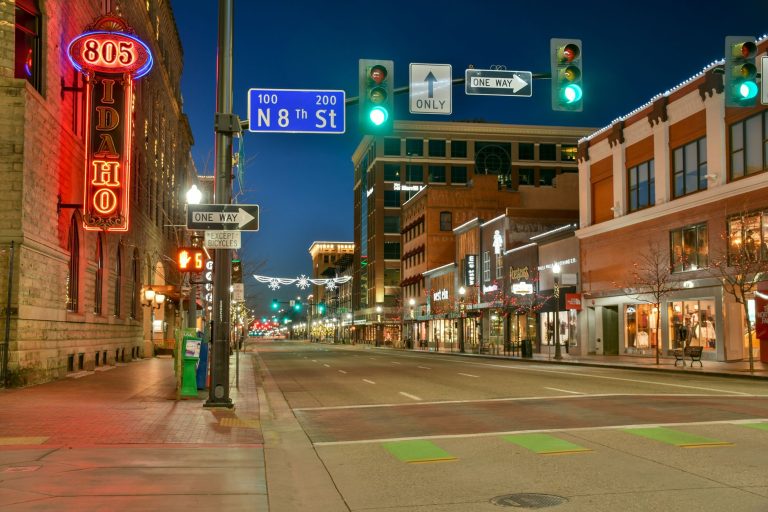
The site anchors the southern end of Garrison Avenue, the city’s main commercial artery, and it marks the spot where the federal government made its most dramatic stand against lawlessness in the post-Civil War American frontier. Judge Isaac Parker presided over this court for twenty-one years, from 1875 to 1896, overseeing a jurisdiction that sprawled across what is now Oklahoma — then Indian Territory — a region notorious for outlaws, horse thieves, and men who assumed distance from civilization meant distance from consequences. Parker’s courtroom proved them wrong, often fatally so.
Walking through the site today, you move between several distinct spaces, each with its own emotional register. The courtroom itself has been painstakingly restored and feels genuinely inhabited — not like a stage set, but like a room that simply kept its furniture and waited. Rangers offer interpretive talks that are refreshingly nuanced; they resist the temptation to make Parker a cartoon hero or villain, presenting instead a man who was both deeply principled and shaped by the brutal pragmatism of his era.
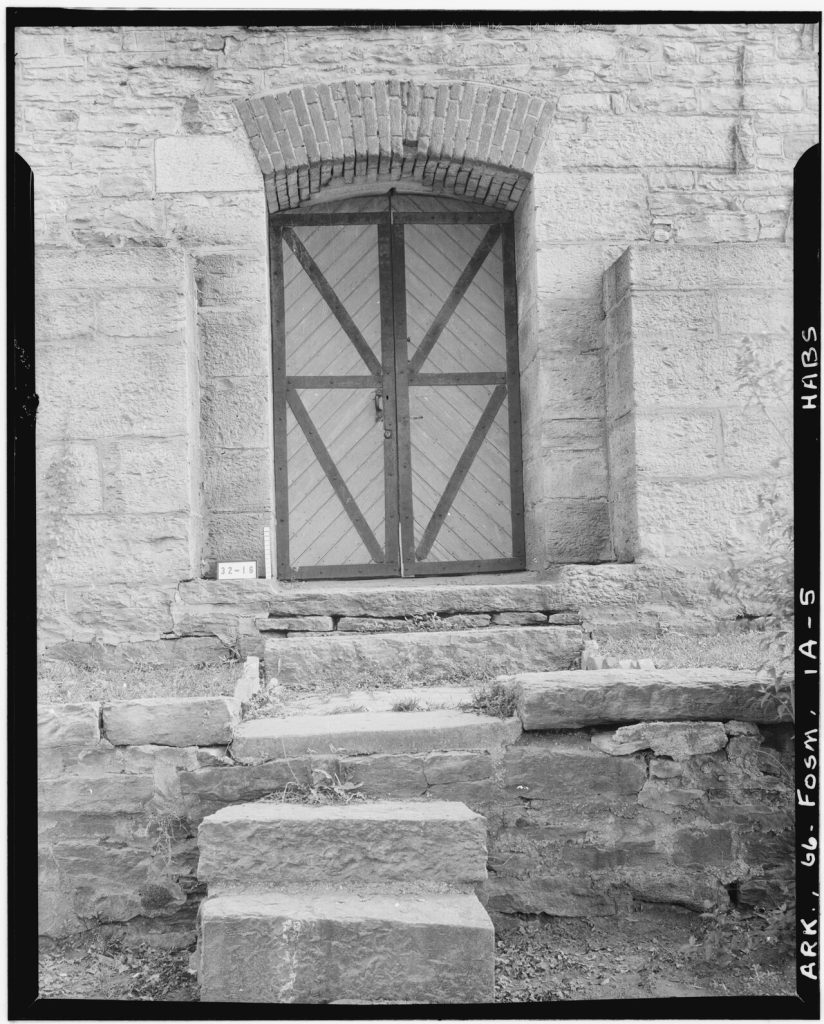
Downstairs, the original basement jail — called the Hell Hole by inmates — is dim and close and unsettling in exactly the right way. It housed hundreds of prisoners at a time, often under conditions that were, by any measure, grim. The rangers tell you this plainly, without flinching, and the honesty makes the history stick.
Outside, the reconstructed gallows stands in an open courtyard shaded by mature trees. It is not sensationalized. There are no dramatized wax figures, no lurid signage. Just the structure itself, scaled accurately, with context panels that explain each execution with care and sobriety. It prompts genuine reflection rather than thrill-seeking, which is the right outcome for a place like this.
Admission is modest — a few dollars for adults, and the site operates under the National Park Service umbrella, so an America the Beautiful pass gets you in free. Plan on spending at least two hours if you want to take it all in properly, and pair it with a walk along the adjacent riverfront afterward to decompress and let the afternoon settle into perspective.
Fort Smith wears its frontier identity with pride, and this site is the clearest reason why. It is not a reconstruction of something that was. It is, in large part, the actual thing — stone walls, courtroom floors, and all the weight that comes with them. Come ready to slow down, look closely, and let the place speak for itself. It has plenty to say.