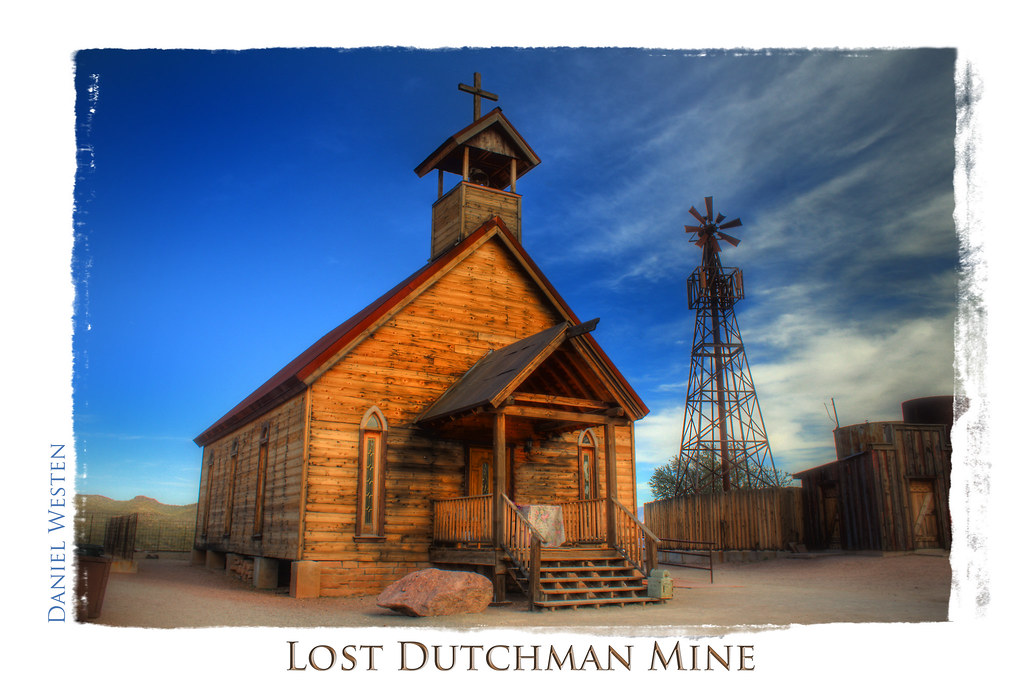
There is a legend out here. It whispers through the creosote and bounces off basalt cliffs that turn amber at dusk. The Lost Dutchman Gold Mine — said to be hidden somewhere deep in the Superstition Mountains — has lured prospectors, dreamers, and wanderers to this corner of the Sonoran Desert for over a century. You are almost certainly not going to find the gold. But what you will find at Lost Dutchman State Park, nestled at the foot of those legendary mountains about 40 miles east of downtown Phoenix in Apache Junction, is something arguably more valuable: one of the most strikingly beautiful and accessible outdoor experiences in the entire Southwest.
Pull off the US-60 onto North Apache Trail and the scenery starts doing its work immediately. The Superstitions rise in front of you like a fortress wall, all jagged volcanic rock and dramatic ridgelines, framed by a forest of towering saguaro cacti that stand at full attention. By the time you reach the park entrance, you are already reaching for your camera.
Lost Dutchman covers roughly 4,000 acres and offers about six miles of interconnected trails ranging from genuinely easy nature walks to moderately strenuous climbs with serious payoff. The Siphon Draw Trail is the one everyone remembers. It begins gently enough, winding through dense desert vegetation past interpretive signs that explain the geology and ecology in plain, engaging language. Then the canyon narrows, the walls close in, and you find yourself scrambling over smooth granite slabs with views opening up behind you that make the effort feel almost unfair in how rewarding it is. On a clear winter morning — and Phoenix winters are reliably, gloriously clear — you can see for what feels like forever.
The Native Plant Trail is a completely different experience: short, flat, and meditative. It is perfect if you want to spend an unhurried hour learning to tell a palo verde from an ironwood, or figuring out exactly why the chain-fruit cholla earned such a fearsome reputation. Docents and park rangers lead interpretive walks on winter weekends, and they are the kind of knowledgeable, genuinely enthusiastic guides who make you feel like you have stumbled into the best free lecture of your life.
Camping here is a real treat. The park has 138 sites, including some with electric hookups, and the campground sits close enough to the mountain base that you fall asleep watching stars appear above the ridgeline. Spring wildflower season — typically February through April — turns the surrounding bajada into a painting, with Mexican gold poppies and lupine carpeting the ground between the cacti.
Day visitors will find clean restrooms, a well-stocked gift shop, and picnic ramadas where families spread out lunches in the shade of ancient saguaros. The park gets busy on winter weekends, so arrive early — the gates open at sunrise, and that first light hitting the Superstitions is worth setting an alarm for. Admission is modest: just seven dollars per vehicle for a day-use pass.
Whether you come for the legend, the hiking, the wildflowers, or simply the kind of silence that a city can never quite manufacture, Lost Dutchman delivers something Phoenix’s more manicured attractions simply cannot replicate. It is wild, ancient, and completely unhurried. The gold may be mythical, but the experience is absolutely real.