There is something quietly remarkable about walking into a building and feeling the full weight of three centuries settle around your shoulders. That is exactly what happens the moment you step through the door of Buttonwoods Museum, tucked into the Buttonwoods neighborhood of Warwick along the western shore of Narragansett Bay. It is not a grand, imposing institution — and that is precisely the point. This is local history made personal, tactile, and genuinely moving.
The museum is anchored by the historic Gorton House, a beautifully preserved colonial-era structure that dates to the 1700s. The Gorton family was deeply woven into the fabric of early Rhode Island, and standing inside those rooms — with their low ceilings, wide-plank floors, and original period furnishings — you start to understand what daily life looked like for the families who built this corner of New England from the ground up. The house itself is the artifact. Every beam and doorframe has a story.
What sets Buttonwoods apart from larger, more polished museums is the intimacy of the experience. The volunteers and staff here are passionate local historians who genuinely enjoy sharing what they know. Ask a question and you will get a real conversation, not a rehearsed script. They will tell you about the Native American history of the land long before European settlement, about the maritime culture that once thrived along this stretch of bay, and about the generations of Warwick families whose names still echo through the city’s streets and neighborhoods today.
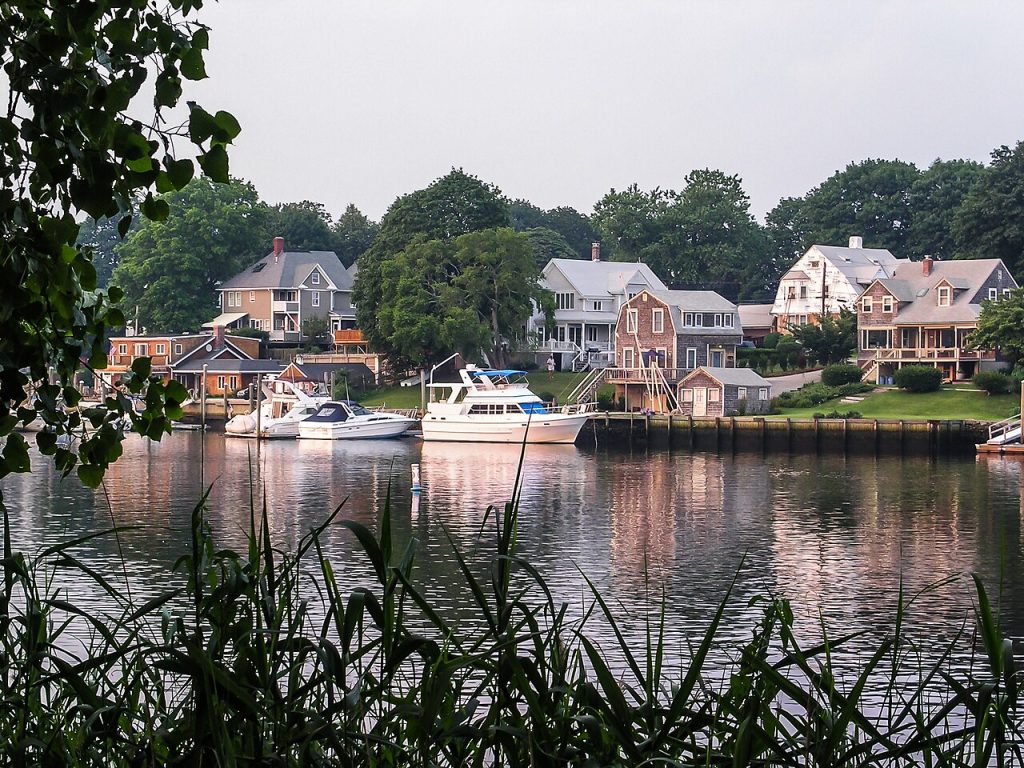
The museum’s collection spans an impressive range of artifacts — colonial-era tools, documents, maps, household objects, and photographs that trace Warwick’s evolution from a small farming and fishing community into the city it is today. Rotating exhibits keep things fresh, so even if you have visited before, there is often something new to discover. The grounds themselves are worth a quiet stroll, offering a glimpse of the landscape much as early settlers would have known it, with the bay visible not far in the distance.
Admission is modest, and the museum is run largely through community support and volunteer dedication — which gives every visit a warmth you simply cannot manufacture. This is history kept alive by people who genuinely care about it, not a corporate attraction dressed up in period costume.
If you are making a day of it in Warwick, pair your visit with a walk along the nearby waterfront or lunch at one of the local spots in the area. But honestly, give Buttonwoods Museum the time it deserves. Come curious, come ready to linger, and you will leave with a far richer sense of what Warwick truly is — and where it came from.