As New York City Mayor Zohran Mamdani advances his initiative to establish city-owned grocery stores, concerns mount among economists and local business owners. The proposal, a key element of Mamdani’s campaign, aims to lower food costs by setting up city-backed supermarkets across the city. However, critics argue that this approach could negatively impact small grocers and impose a significant financial burden on taxpayers.
Economic Concerns
Adam Lehodey of the Manhattan Institute suggests that the city could more effectively address food affordability through private-sector partnerships and existing assistance programs rather than operating grocery stores itself. Lehodey describes the initiative as a “wasteful distraction,” arguing that there are more efficient solutions available.
The first city-backed grocery store is expected to open in 2027 in the Bronx neighborhood of Hunts Point, as part of The Peninsula redevelopment project. This larger plan includes 740 affordable housing units, public open spaces, and community facilities, with a 20,000-square-foot grocery market intended to serve the South Bronx.
Impact on Local Businesses
Lehodey warns that city-backed stores could disadvantage small neighborhood grocers by providing public support that private businesses do not receive. “Prices might be cheaper, but it comes at the cost of sustainable operations for other businesses,” he noted. Additionally, he argues that the city is sacrificing valuable public land and potential revenue by subsidizing these projects.
A second city-backed grocery market is planned for East Harlem’s La Marqueta, with the city investing approximately $30 million in its construction. Critics question the necessity of another grocery option in a neighborhood already served by roughly 45 grocery stores within a 35-minute walk, including major chains and smaller markets.
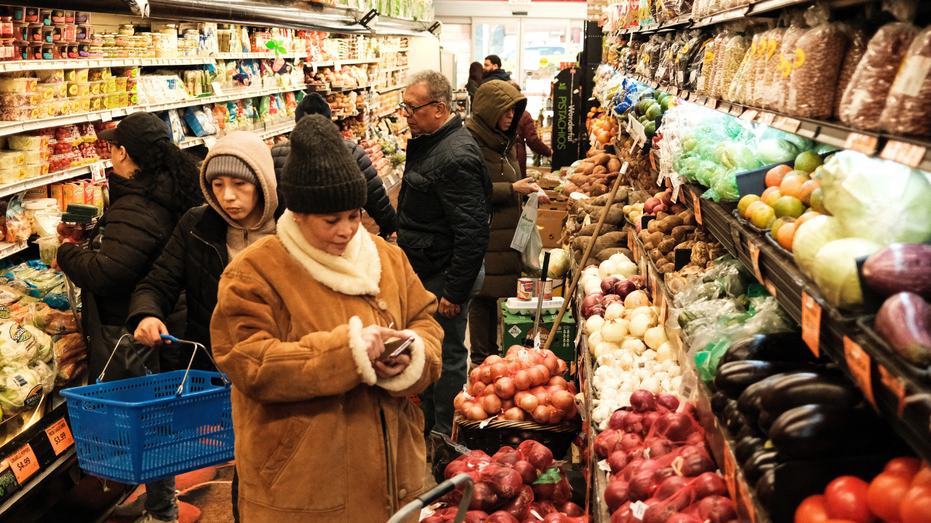
Local grocers express concerns that the city-backed market could draw customers away, affecting their already thin profit margins. Sarah Kang, manager at a CTown Supermarkets location, fears losing customers to the new market, which may offer lower prices due to public support. Joel Martinez, a manager of another supermarket, also worries about the potential impact on smaller businesses closer to the proposed site.
Broader Implications
Bodegas and small grocery stores are essential to New York City neighborhoods, often serving as primary food sources for residents. Similar proposals for government-owned grocery stores have appeared in other cities, including Boston and Atlanta, where officials have opened a city-backed store to improve food access in underserved communities.
Original reporting: Fox News (HLL/CB) — read the source article.