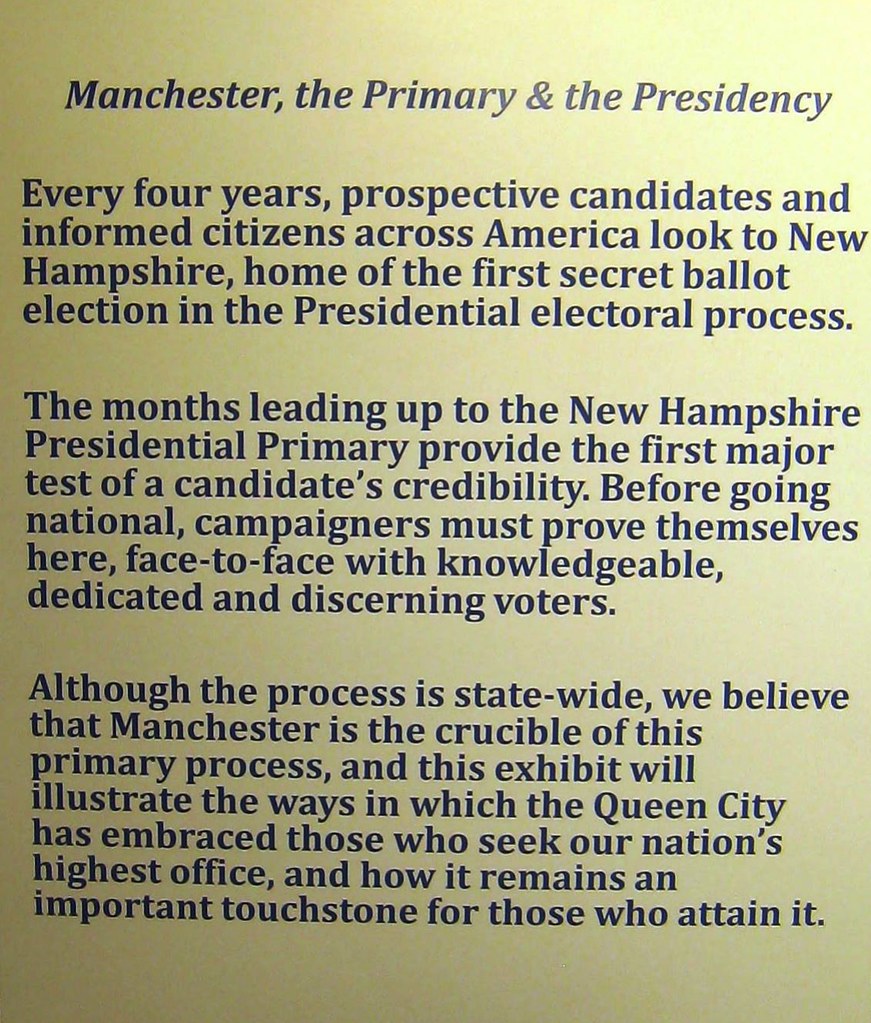
There is a moment, somewhere between the spinning looms and the sprawling wall maps of the Amoskeag Manufacturing Company’s empire, when Manchester’s story clicks into focus. You are standing in a building that was once part of the largest textile operation on the planet, and the museum around you is doing something quietly remarkable: it is making you feel the weight of that history without ever making it feel like homework.
The Millyard Museum sits inside Millyard Building 7 on Commercial Street, right in the heart of Manchester’s historic millyard district — a stretch of muscular red brick that lines the Merrimack River and has defined this city’s skyline for nearly two centuries. Getting here is easy whether you are coming from downtown or crossing the river from the West Side. Park along Commercial Street or in one of the nearby lots, and take a moment before you walk in to look up and down the canal. The scale of this place — the sheer number of buildings, the orderly rows of windows, the way the brick seems to absorb the New England light — starts telling the story before you even pay admission.
Inside, the museum traces Manchester’s arc from its Abenaki roots through its transformation into the textile powerhouse that literally clothed a nation. The centerpiece is a beautifully restored Jacquard loom, and staff members will fire it up for you if you ask nicely. Watching it work — watching something that enormous produce something as delicate as woven fabric — is one of those experiences that makes you pause and genuinely reconsider what human ingenuity looked like before electricity was taken for granted.
The immigration galleries are particularly moving. Amoskeag at its peak employed tens of thousands of workers, many of them fresh off boats from Quebec, Greece, Poland, and beyond. The museum traces their journeys with photographs, personal objects, and oral history recordings that give faces and voices to the numbers. By the time you reach the section covering the mill’s closure in 1936 — the economic collapse that gutted this city almost overnight — you feel it personally.
What makes the Millyard Museum punch above its weight is the way it connects past to present. Manchester today is a city in genuine revival, and this museum frames that energy within a longer story of resilience. The same river that powered those looms still runs outside the door. The same brick buildings now house breweries, tech firms, and apartments. The continuity is striking.
Admission is affordable, the staff is knowledgeable and genuinely enthusiastic, and the gift shop stocks books and prints that are actually worth bringing home. Plan on two hours minimum — you will want them. This is not a museum you rush through. It is one you sit with, and leave thinking about for days.