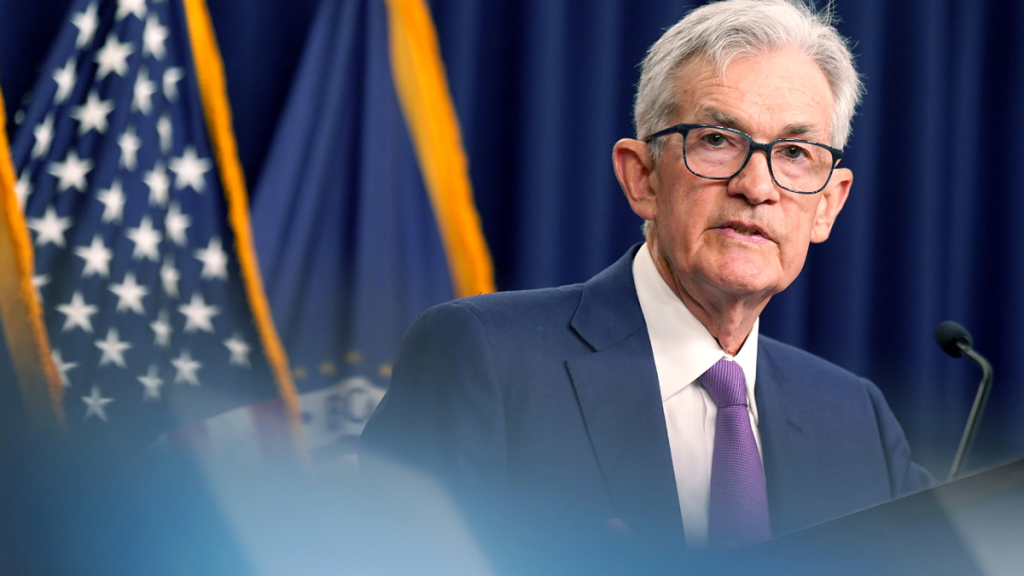
Kevin Warsh has taken the helm as the new Federal Reserve Chair, but his leadership is already facing potential challenges. Outgoing Chair Jerome Powell, breaking with tradition, has chosen to remain on the Fed Board of Governors. This move raises concerns about a ‘Shadow Chair’ dynamic, where Powell could influence decisions despite Warsh’s official position.
Economic Implications of Leadership Dynamics
Powell’s continued presence on the board, along with support from three Biden-appointed governors, could create a majority that influences policy decisions. This situation is particularly concerning as the economy faces an oil-price shock, which traditionally requires careful handling to avoid exacerbating economic vulnerabilities.
Historically, during similar economic conditions, former Fed Chairs like Alan Greenspan and Ben Bernanke opted to lower interest rates to mitigate the impact of supply shocks. However, there is a fear that Powell’s influence might lead to rate hikes, which could further strain the economy by affecting housing, manufacturing, and small businesses.
Potential Economic Consequences
Rate hikes in response to an oil shock could weaken housing markets, tighten credit for small businesses, and increase financial pressures on interest-sensitive sectors. The Fed’s role should be to balance inflation expectations while preserving employment, a task complicated by current high bond yields and rising energy prices.
The potential for Powell to act as a ‘Shadow Chair’ is heightened by the possibility of support from regional Fed presidents, who may favor a more hawkish approach. This could lead to a situation where the Fed’s actions add a credit shock to an already challenging energy shock, impacting factories, homes, and small businesses across the nation.
The economic landscape requires careful navigation, and the Fed’s decisions in the coming months will be crucial in determining the stability and growth of the U.S. economy.
Original reporting: Fox News (HLL/CB) — read the source article.