For Connecticut residents relying on public transportation, bringing personal wheels like bikes or e-bikes can be a convenient way to complete their journey. However, each transit system in the state has its own set of rules regarding these modes of transport.
Metro-North Guidelines
Metro-North allows non-electric bicycles on trains at all times except during rush hours. Some train cars are equipped with wall-mounted racks, and commuters can check the TrainTime app for bike-friendly trains. Folding bikes that fit in overhead racks are permitted at any time.
For electric bikes and scooters, the rules are stricter. Riding these devices is prohibited at stations, on platforms, and inside trains. They can only be brought on board if they fold, weigh under 100 pounds, and are personally owned. Charging e-bikes on the train is not allowed, and they must have UL-certified batteries. The conductor has the final authority to permit or deny their presence on the train.
Shore Line East and Hartford Line Policies
Similar to Metro-North, Shore Line East and Hartford Line have specific rules for e-bikes. Regular bicycles are welcome anytime on CT Rail trains, while Amtrak Hartford Line trains require a reservation and a $20 fee for bikes. E-bikes with lithium-ion batteries are banned on all trains.
At Hartford’s Union Station, scooters can be rented through VEO, though bikes may be available in the future.
CT Transit and Other Bus Services
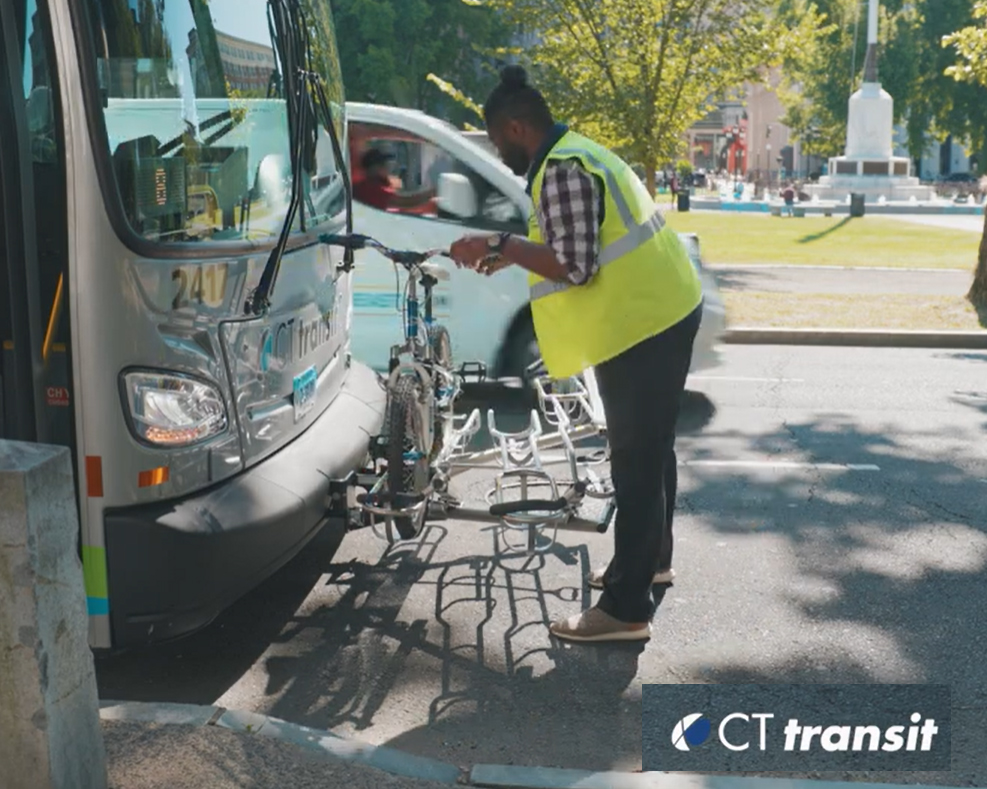
CT Transit buses have been pioneers in accommodating bicycles, offering racks on the front of buses that hold two bikes on a first-come, first-served basis. However, only standard non-motorized bikes are allowed. E-bikes and scooters are not permitted on these racks.
Greater Bridgeport Transit Authority (GBTA) buses also support bike transport with similar rules. For Norwalk Transit, it’s advisable to check the carrier’s website or consult with the driver for specific guidelines.
Port Jefferson Ferry
The Port Jefferson Ferry permits bicycles and e-bikes, treating them as luggage that must remain with the rider. Cyclists are responsible for carrying their bikes and any baggage up and down staircases to the passenger decks, though elevators may be used if space allows.
Regardless of the destination, safety is paramount. Riders should always bring and wear a helmet, and ensure that e-bikes and scooters use UL-certified batteries, avoiding charging them on any vehicle or station.
Original reporting: The Connecticut Mirror — read the source article.