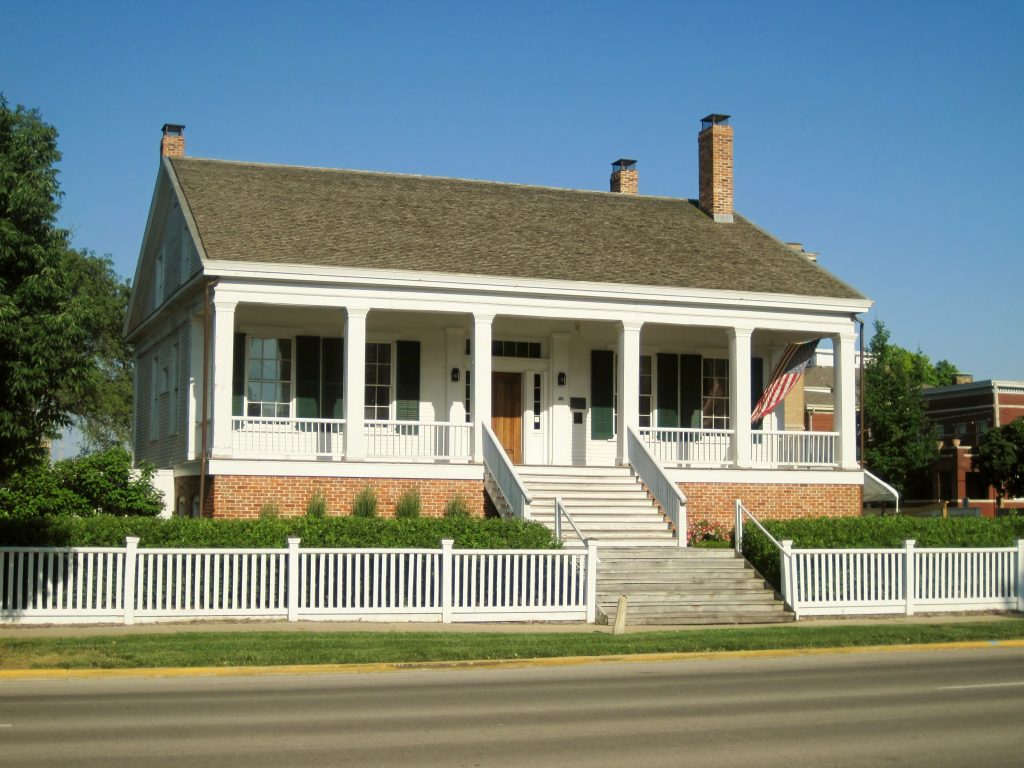
There is a moment, standing in the front parlor of the Elijah Iles House on South 6th Street, when the noise of modern Springfield simply falls away. The wide-plank floors creak just slightly underfoot, afternoon light filters through wavy antique glass, and you find yourself genuinely wondering what it felt like to live in this city when it was still a raw, ambitious frontier town. That feeling — unhurried, quietly electric — is exactly why this place deserves a spot at the top of every Springfield itinerary.
Built around 1837, the Elijah Iles House is the oldest surviving residence in Springfield, and it carries that distinction with remarkable grace. Elijah Iles himself was one of the city’s founding fathers: a merchant, soldier, and civic booster who essentially helped put Springfield on the map. His home reflects that early optimism. The Federal-style architecture is spare but dignified, and the careful restoration work done over the years means you are looking at something genuinely authentic rather than a polished-up approximation of history.
The house sits in the near-downtown corridor, just a short walk from the Lincoln sites that draw so many visitors to Springfield each year. Yet somehow it remains overlooked by the crowds that queue up a few blocks north. That is a real shame, because the story told inside these walls predates even Lincoln’s arrival in the city. Walking through it, you get a vivid sense of what Springfield was becoming in the 1830s — the ambitions, the social rituals, the textures of daily life — that no textbook ever quite captures.
Guided tours are offered through the Springfield Park District, which manages the property, and the guides here are the kind of knowledgeable, enthusiastic historians who can turn a simple mantelpiece into a twenty-minute conversation you never want to end. They draw connections between the Iles family’s story and the broader arc of Illinois history in a way that feels personal rather than academic. Children, perhaps surprisingly, tend to be completely captivated — there is something about standing in a real room where real people lived two centuries ago that no museum diorama can replicate.
The grounds are equally pleasant. A tidy period garden surrounds the structure, and the whole property has a contemplative, unhurried atmosphere that invites you to slow down. Plan to spend at least an hour, though it would be easy to linger longer.
If you are the kind of traveler who gets more satisfaction from a genuinely layered historical experience than from another gift-shop magnet, the Elijah Iles House will reward you handsomely. Springfield’s founding story begins here — and it is a story well worth your time.