There is a particular kind of afternoon in Greenville that feels almost cinematic — the light slanting gold through the Carolina pines, the air just cool enough to make you want to linger somewhere unhurried. The Heritage Green arts and cultural campus in the North Main neighborhood is built for exactly that kind of afternoon, and the jewel at its center is the Museum & Gallery at Heritage Green, home to the Greenville County Museum of Art’s satellite programming and the broader cultural campus that includes the Children’s Museum of the Upstate. But the gallery spaces and rotating exhibits tucked into this beautifully landscaped campus have a way of surprising visitors who wander in without a firm agenda — and those are often the best visits of all.
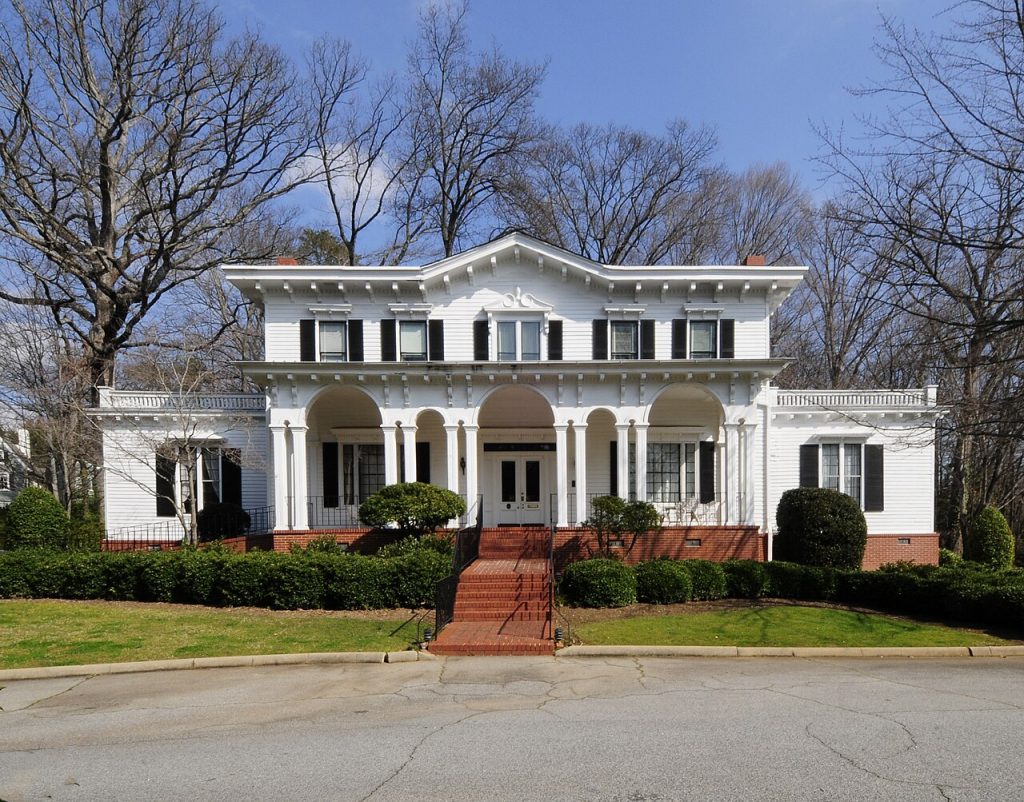
Heritage Green sits just north of downtown, a short drive or a pleasant walk from the Main Street corridor. The campus itself is a destination worth savoring before you even step inside. Manicured paths connect the buildings, benches invite you to sit and people-watch, and the architecture has that civic-pride quality that makes you feel a city genuinely cares about its cultural life. Families push strollers between buildings. Students sketch in notebooks on the lawn. It has the easy, democratic energy of a place that belongs to everyone.
Inside the gallery spaces, the rotating exhibitions lean toward accessible but genuinely thoughtful work — regional artists alongside nationally recognized names, folk traditions honored beside contemporary installations. The programming philosophy here seems to be that art should start conversations, not intimidate people into silence. I have stood in front of pieces in these galleries and struck up real exchanges with complete strangers, which almost never happens to me in larger, more formal museum settings. There is something about the human scale of the space that lowers the guard and opens the mind.
The Children’s Museum of the Upstate, which shares the campus, means Heritage Green draws multigenerational crowds on weekends, and the energy is infectious rather than chaotic. Adults who came to accompany small children often find themselves equally absorbed. The campus has clearly been designed with the understanding that curiosity is not age-specific.
If you time your visit right, you can catch one of the free outdoor events the campus hosts throughout the spring and fall — live music, artist talks, community gatherings that feel nothing like obligatory civic programming and everything like a genuine block party thrown by people who love where they live.
Parking is easy, admission to the gallery spaces is often free or very low cost, and the whole experience rewards the kind of slow, wandering pace that the best travel always encourages. Greenville’s North Main neighborhood has excellent coffee and dining options within easy walking distance, making Heritage Green a natural anchor for a full half-day of exploration.
Come with an open afternoon and leave with a full one. That is the Heritage Green promise, and in my experience, it delivers every single time.