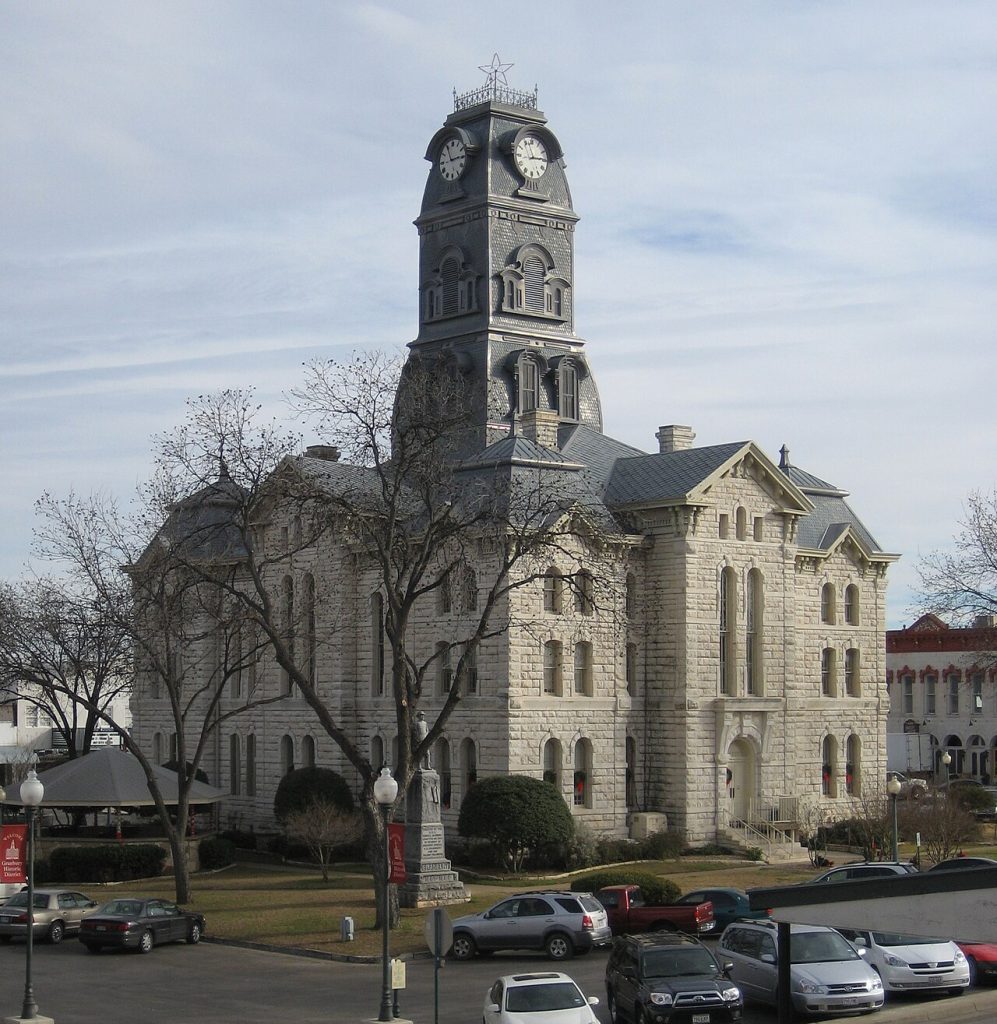
There is a certain kind of afternoon in Granbury that feels like the town was built specifically for you — the light falling warm and golden across limestone facades, the square humming quietly with people who have nowhere else to be. It was on one of those afternoons that I ducked into the Hood County History Center on Pearl Street, expecting a quick browse, and walked out nearly two hours later with my notebook full and my imagination thoroughly hijacked by the Texas frontier.
The Hood County History Center, which houses the Chisholm Trail Museum, sits just a short stroll from Granbury’s famous courthouse square — close enough that you could easily fold it into a morning of coffee and browsing, or make it the anchor of your whole visit. The building itself is unassuming, but do not let that fool you. Inside, the story of Hood County unfolds with the kind of depth and personal detail that makes history feel genuinely alive rather than catalogued behind velvet ropes.
The Chisholm Trail element is what sets this place apart from your standard county historical collection. Granbury sits in the heart of territory crossed by cattle drives heading north toward Abilene and Dodge City in the decades after the Civil War. The museum traces that movement with artifacts, maps, and personal accounts that put you squarely in the dust and noise of a nineteenth-century cattle drive. You start to understand, in a visceral way, just how much of Texas identity was literally walked into existence by cowboys, longhorns, and sheer stubborn endurance.
Beyond the trail history, the exhibits cover the full sweep of Hood County life — pioneer settlement, the founding of Granbury itself, the Civil War years, and the stories of families who shaped this particular stretch of North Texas. Photographs, documents, period furniture, and personal effects fill the space without overwhelming it. The curation is thoughtful and the staff are genuinely enthusiastic, the kind of people who can point you toward the detail in a photograph that changes everything you thought you understood about a moment in time.
What I appreciate most is that this is not a tourist trap dressed up in nostalgia. It is a real community history project, maintained by people who care deeply about getting the story right. Admission is modest and the experience is substantial — a combination you do not encounter as often as you should.
If you are planning a trip to Granbury and you have even a passing curiosity about the land you are standing on and the people who shaped it, carve out a couple of hours for the Hood County History Center. Go in the late morning before the square gets busy, give yourself permission to linger over the photographs, and ask the folks at the desk your questions. They will not disappoint you.
Granbury rewards the curious traveler, and this museum is one of the clearest reasons why.