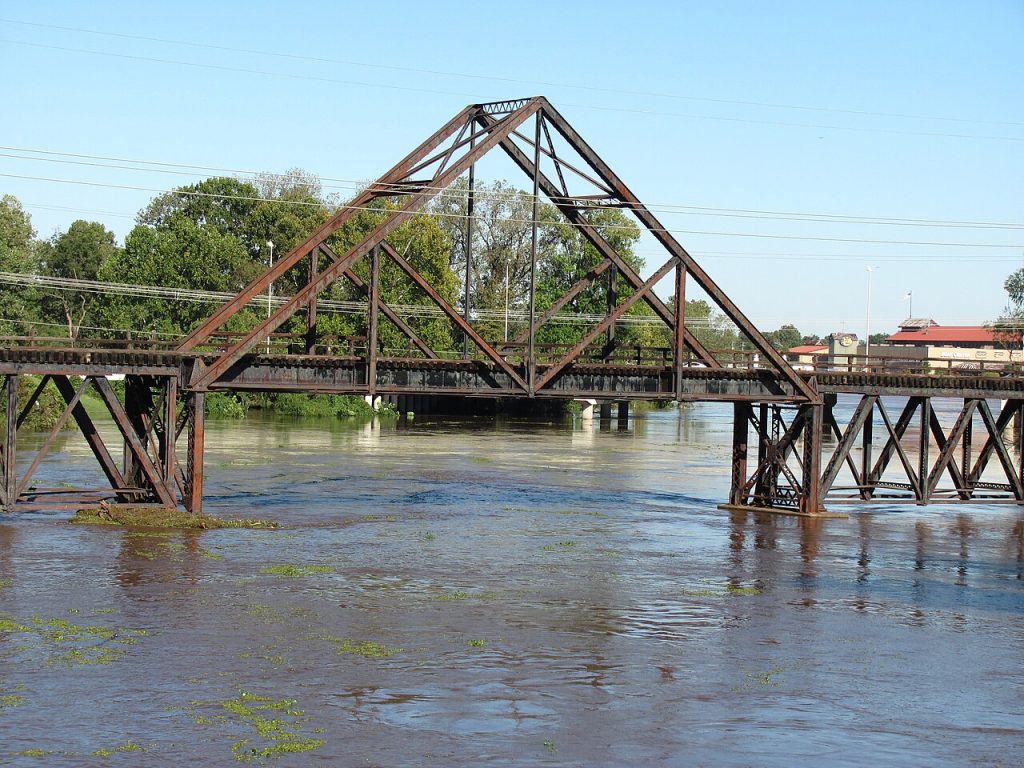
There is a particular kind of magic that happens when a city stops long enough to look at its own reflection in the water. Shreveport has been doing exactly that for well over a century, and nowhere is that reflection clearer than at the Red River Heritage Center — a compact, deeply compelling museum tucked into the historic waterfront district that traces the full, dramatic arc of life along one of America’s most storied rivers.
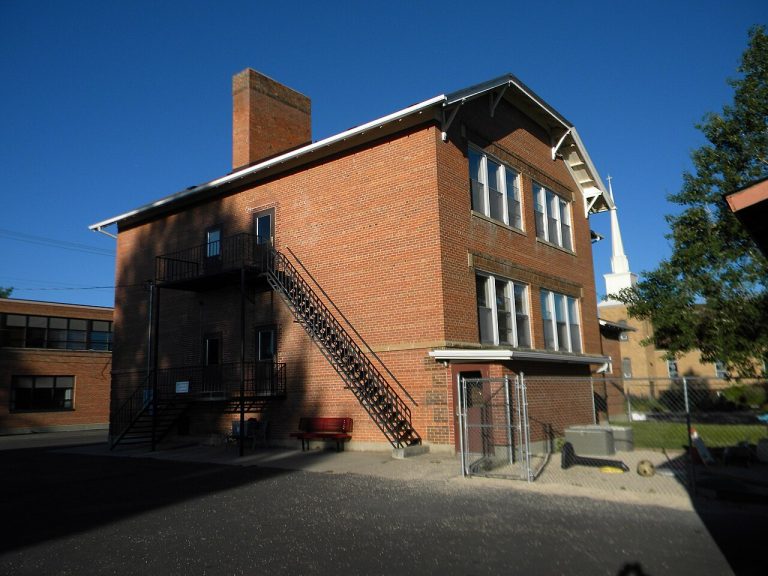
The museum sits in the heart of downtown Shreveport, close enough to the Red River that on a quiet morning you can almost hear the current working its way south. The building itself is part of the story — a beautifully preserved structure that feels like it was built to hold memory. Step inside and you immediately understand that this is not a place that simply hangs photographs on walls. This is a place that makes you feel the river.
The exhibits move chronologically and thematically, opening with the indigenous Caddo people who shaped the cultural and physical landscape of this region long before European settlement. Artifacts, maps, and interpretive panels bring their world to life with genuine respect and scholarly care. From there, the story shifts to the era of the Great Raft — the massive logjam of fallen timber that once clogged the Red River for nearly 180 miles, effectively cutting Shreveport off from river commerce. The engineering feat that cleared it, led by Captain Henry Miller Shreve, is told here with the kind of detail that makes you appreciate just how improbable and consequential that achievement really was.
The steamboat era gets its full due as well. Scale models, navigational instruments, old bills of lading, and period photographs paint a picture of a Shreveport that hummed with commerce and ambition. Cotton bales stacked to the sky, merchants working the levee, and the grand boats that connected northwest Louisiana to New Orleans and the wider world — it is all here, rendered in a way that is accessible without being dumbed down.
What makes this museum particularly worth your time is its editorial restraint. Nothing is overstated. The curators seem to trust that the history is interesting enough on its own, and they are right. There are no gimmicks, no flashy installations designed to distract from thin content. Just solid, well-organized storytelling about a river that shaped a city.
Plan to spend at least an hour and a half, more if you are the type to read every panel. Admission is modest, parking is easy, and the staff are genuinely knowledgeable and happy to answer questions. Combine it with a walk along the riverfront afterward and you have yourself a full, rewarding afternoon in one of Louisiana’s most underappreciated cities.
Shreveport has always had a complicated, beautiful relationship with the Red River. This museum is where that relationship finally gets the telling it deserves.