Tucson has a well-earned reputation for putting visitors face-to-face with the natural world, and nowhere in the city does that quite so dramatically — or so unexpectedly — as the International Wildlife Museum on West Gates Pass Road. Housed in a fortress-like building that looks like it was airlifted straight from a medieval French countryside and dropped into the Sonoran Desert, this place announces itself before you even walk through the door. And once you’re inside, it delivers something genuinely rare: a sweeping, continent-hopping encounter with wildlife from every corner of the globe.
The museum sits on the western edge of the city, just a short drive from the Tucson Mountain District, making it an easy and worthwhile add-on to a morning in the desert. The surrounding landscape of saguaro-studded hillsides sets a dramatic backdrop, and the building itself — modeled after a 19th-century French Foreign Legion fort — gives the whole experience a theatrical, exploratory quality that kids and adults both respond to immediately.
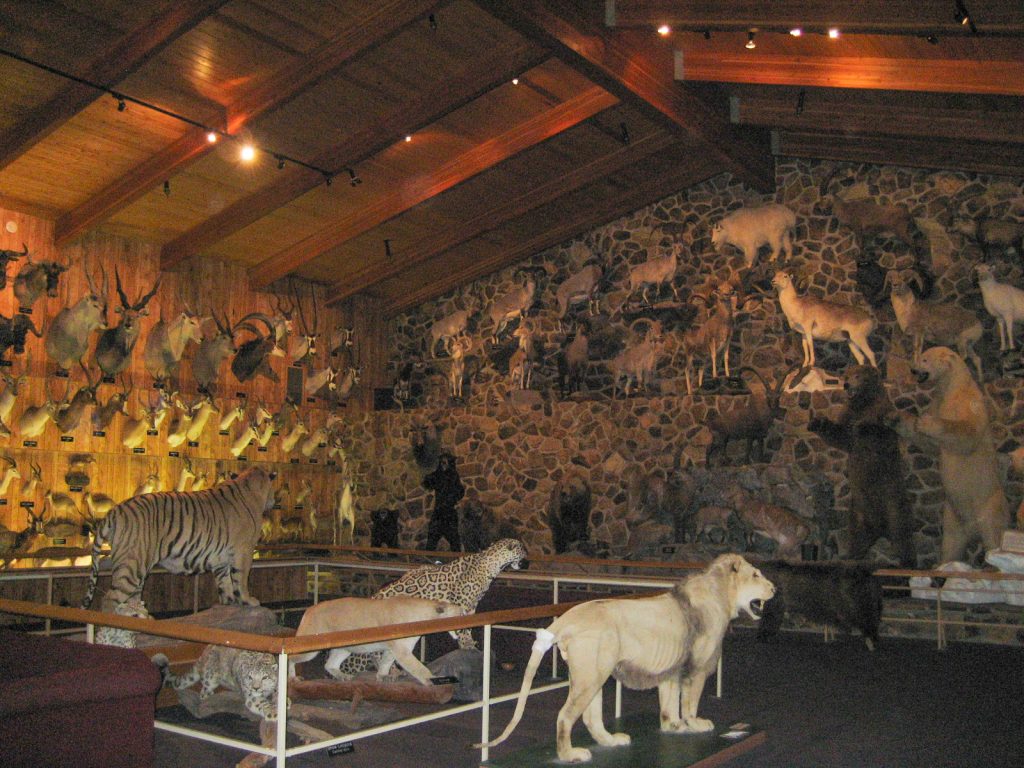
Inside, more than 400 species of birds, mammals, and insects are on display in meticulously detailed dioramas that recreate the animals’ natural habitats with impressive care. You’ll wander from African savannas to Arctic tundra within a single afternoon, coming nose-to-nose with creatures you’d never encounter anywhere outside of a wildlife documentary. The African big game collection is particularly breathtaking — lions, leopards, cape buffalo, and kudu posed in scenes so lifelike you’ll catch yourself listening for sounds that aren’t there.
What makes the International Wildlife Museum stand apart from a typical natural history museum is how genuinely immersive the experience feels. The lighting is dramatic, the dioramas are deep and layered, and the interpretive signage strikes the right balance between educational depth and accessibility. Whether you’re a birder obsessing over the extraordinary feather detail on the display specimens, a curious ten-year-old pressing your face against the glass at a mountain gorilla, or someone who simply wants to understand the biodiversity of our planet a little better, there’s a pull here that keeps you moving room to room with genuine curiosity.
Don’t miss the insect room, which tends to catch visitors off guard with its sheer variety and visual impact, or the gift shop, which stocks a thoughtfully curated selection of field guides, wildlife art, and natural history books that make for excellent souvenirs.
Admission is modest, parking is free and plentiful, and the museum is open most days of the week. Plan to spend at least two hours if you want to take it all in at a leisurely pace. For families, solo travelers, and anyone with even a passing interest in the natural world, the International Wildlife Museum is one of those Tucson experiences that tends to quietly exceed expectations — and that’s the best kind.