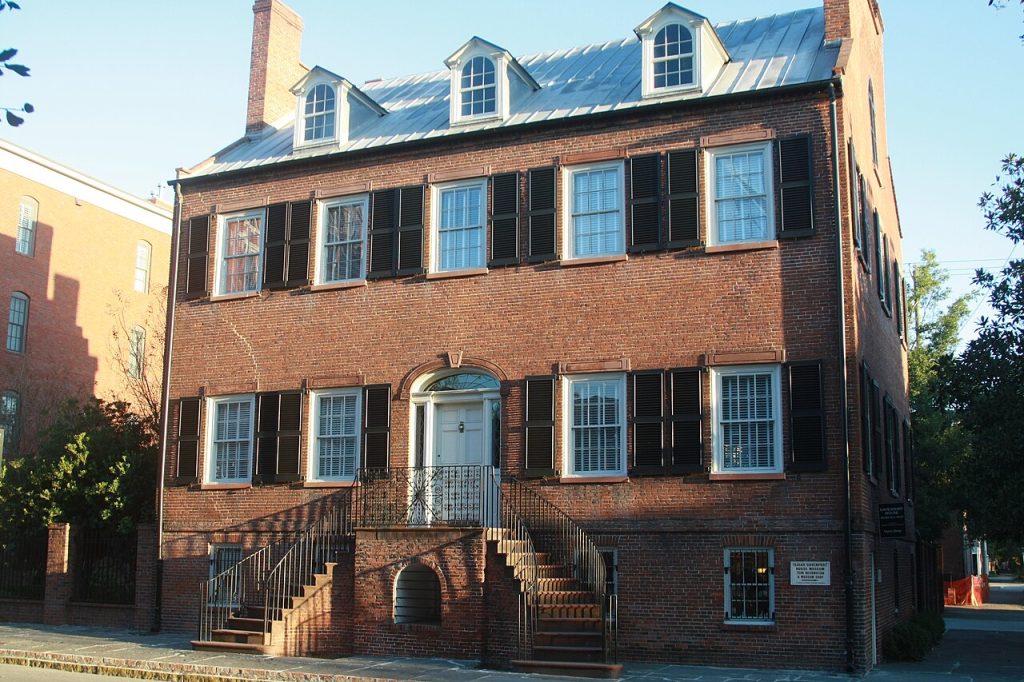
There is a particular kind of magic that happens when you step across the threshold of a house that has genuinely shaped history — not the sanitized, rope-barrier kind of history, but the living, breathing, scandalous, and deeply human kind. The Andrew Low House on Lafayette Square delivers exactly that, and it does so with a grace and intimacy that the bigger Savannah attractions simply cannot match.
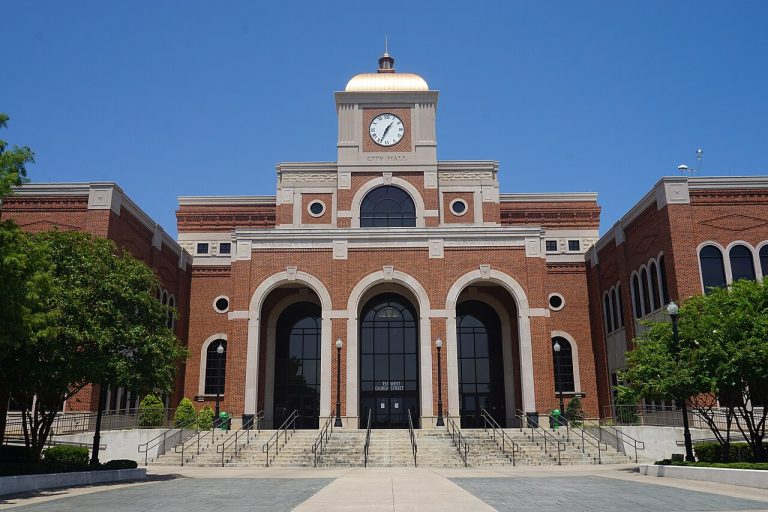
Tucked just south of the historic district’s busiest corridors, Lafayette Square is one of those Savannah squares that still feels like it belongs to the neighborhood rather than the tourists. The Andrew Low House sits on the western edge of it, a stately Italianate mansion built in 1848 for Andrew Low, a wealthy cotton merchant of Scottish origin who made his fortune in the antebellum South. The architecture alone is worth the walk over — the ironwork on the front steps and balconies is considered some of the finest in the city, and the facade carries that particular Savannah combination of restraint and quiet showmanship that you start to love after a day or two in town.
But the real draw is what happened inside these walls. William Makepeace Thackeray, the author of Vanity Fair, was a personal guest here — twice. Robert E. Lee stayed in the house after the Civil War. And perhaps most significantly, this is where Juliette Gordon Low, founder of the Girl Scouts of the USA, lived as a young married woman and later returned to in widowhood. The room where she slept, the parlor where she entertained, the garden where she walked — all of it is preserved with a fidelity to the period that is quietly remarkable.
The guided tours run throughout the day and last roughly 45 minutes, led by docents who clearly love what they do. They don’t just recite dates and names — they tell stories. You’ll hear about the complicated realities of the Low family’s wealth, the enslaved people who worked and lived on the property, and the fascinating social world of 19th-century Savannah that swirled through these rooms. The museum does not shy away from the harder parts of this history, which makes the experience feel honest and complete rather than merely decorative.
The garden behind the house is an unexpected pleasure. Walled and quiet, planted with camellias and Confederate jasmine, it feels like a room of its own. On a warm Savannah afternoon, it is one of the more peaceful spots you will find anywhere in the city.
Admission is modest — around ten dollars for adults — and the house is open most days of the week. It sits within easy walking distance of Cathedral Basilica of Saint John the Baptist and the Flannery O’Connor Childhood Home, so you can build a genuinely rich afternoon in this part of the historic district without ever getting in a car.
What makes the Andrew Low House stand out in a city full of historic homes is proportion. It is grand enough to impress, small enough to feel personal, and staffed by people who treat every visitor like someone worth talking to. If you have even a passing interest in American history, Southern architecture, or the story of one of the country’s most enduring civic organizations, put this one near the top of your Savannah list.