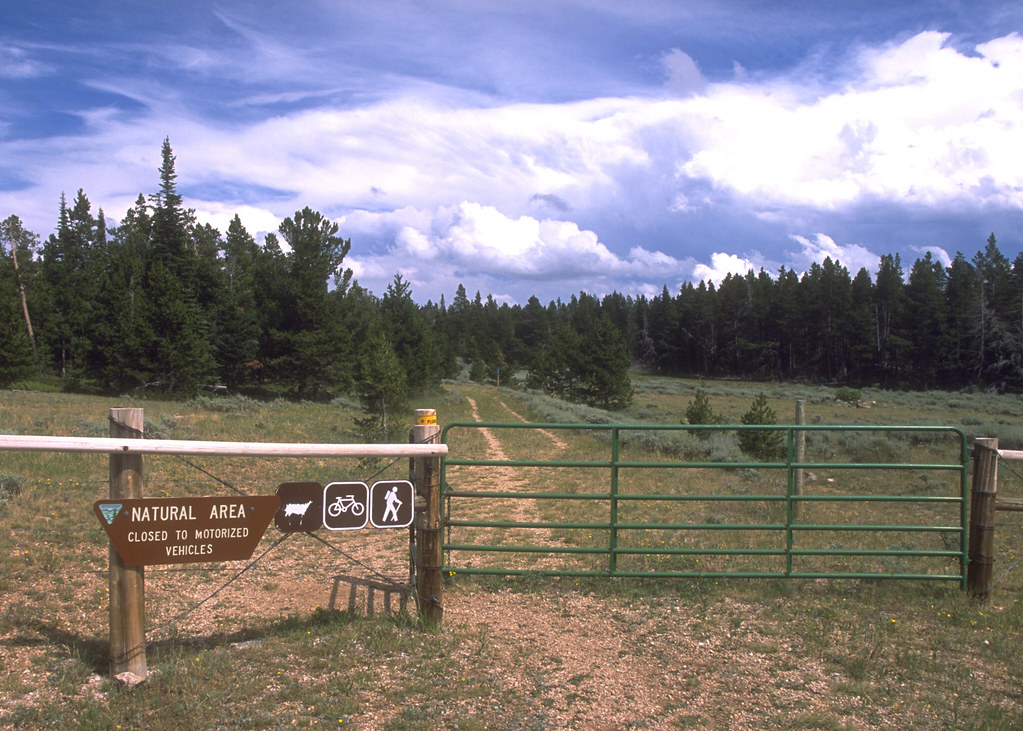
There is a moment, somewhere along the winding gravel road that threads through the Muddy Mountain Environmental Education Area southeast of Casper, when the city simply disappears. The skyline drops away behind a ridge of lodgepole pine, the air turns cool and sharp with the scent of sage, and if you go quiet enough, you might just catch a mule deer picking her way through the brush not twenty feet from your bumper. That moment is why I keep coming back to the Casper Mountain Wildlife Loop, and it is exactly why I think every visitor to Casper ought to make this drive before they do anything else.
Managed by the Bureau of Land Management, the Muddy Mountain Environmental Education Area sits roughly twelve miles south of downtown Casper, accessed via Wyoming Highway 251 as it climbs into the Laramie Range foothills. The area encompasses thousands of acres of mixed terrain — open meadows, rocky outcroppings, dense conifer stands, and rolling sagebrush flats — all stitched together by a well-marked interpretive loop road that most passenger vehicles can handle comfortably in dry conditions. Plan for a leisurely hour or two if you stop often, which you absolutely will.
What sets this place apart from the dozens of scenic drives scattered across Wyoming is the sheer accessibility of the wildlife. The BLM has done thoughtful work installing interpretive signs throughout the loop that explain the ecology of the area — everything from raptor nesting habits to the role of prescribed fire in keeping the grasslands healthy. You are not just driving past pretty scenery; you are actually learning something about why this landscape looks the way it does and who calls it home.
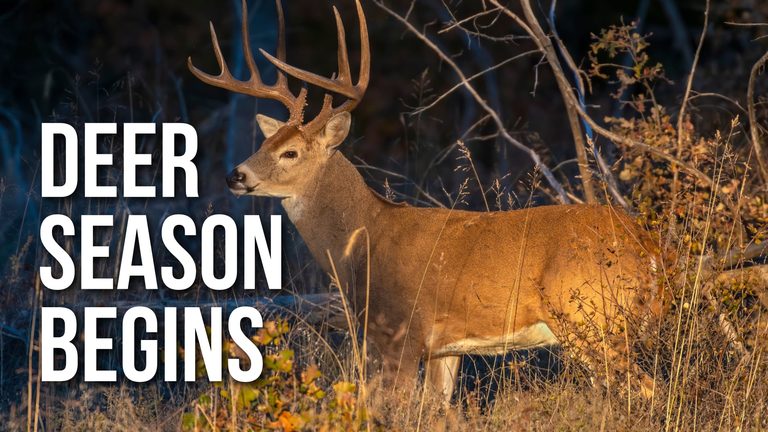
And the residents are impressive. Pronghorn antelope are practically guaranteed on a morning visit, bounding across the open flats with that effortless speed that never stops being astonishing. Mule deer are a constant presence near the tree line. Patient visitors who arrive around dawn or dusk have reported elk sightings, and the skies overhead are reliably busy with red-tailed hawks, golden eagles, and the occasional ferruginous hawk riding the thermals above the ridgelines.
The loop also connects to several short hiking trails that branch off into the quieter corners of the area, making it a genuine option for people who want to stretch their legs rather than stay in the car. The trails are not heavily trafficked, which is most of the appeal. You can cover a mile of Wyoming high country on a weekday morning and feel like you have the whole place to yourself.
Bring binoculars — seriously, do not skip the binoculars — pack a water bottle, and go in the morning if you can. Admission is free, dogs on leash are welcome on the trails, and the elevation sits comfortably around 7,000 feet, which means even a July afternoon feels remarkably pleasant compared to the valley floor below. It is the kind of place that reminds you why people fall in love with Wyoming in the first place, and it is sitting right there on the edge of Casper, waiting for you to find it.