There is a moment on the Piedra Lisa Trail when the city of Albuquerque simply disappears behind you. The hum of traffic fades, the high desert air sharpens, and suddenly you are standing on ancient granite slabs with the Sandia Mountains rising above and the entire Rio Grande Valley spreading out below. That moment is why I keep coming back to this trail, and it is exactly why I think you should lace up your boots and make the drive to the northeast foothills the next time you find yourself in Albuquerque.
Piedra Lisa — Spanish for “smooth rock” — sits within the Elena Gallegos Open Space, tucked into the northeastern edge of the city near the upscale Glenwood Hills neighborhood. The trailhead is accessible off Tramway Boulevard, and while the Sandia Peak Aerial Tramway gets most of the tourist attention in this part of town, Piedra Lisa quietly rewards those who seek it out on foot. There is a modest day-use fee to enter the Elena Gallegos Open Space, but at just a few dollars per vehicle, it is one of the better bargains in the city.
The trail itself runs roughly five miles one way and gains significant elevation as it climbs north along the western face of the Sandias. The lower section is wide and relatively forgiving, making it a pleasant morning walk even for casual hikers. As you move higher, the terrain becomes more technical — scrambling over those signature smooth granite outcroppings that give the trail its name — and that is where the real adventure begins. You do not need specialized climbing experience, but sturdy footwear and a respect for the terrain will serve you well.
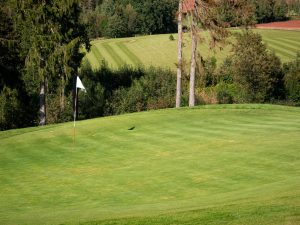
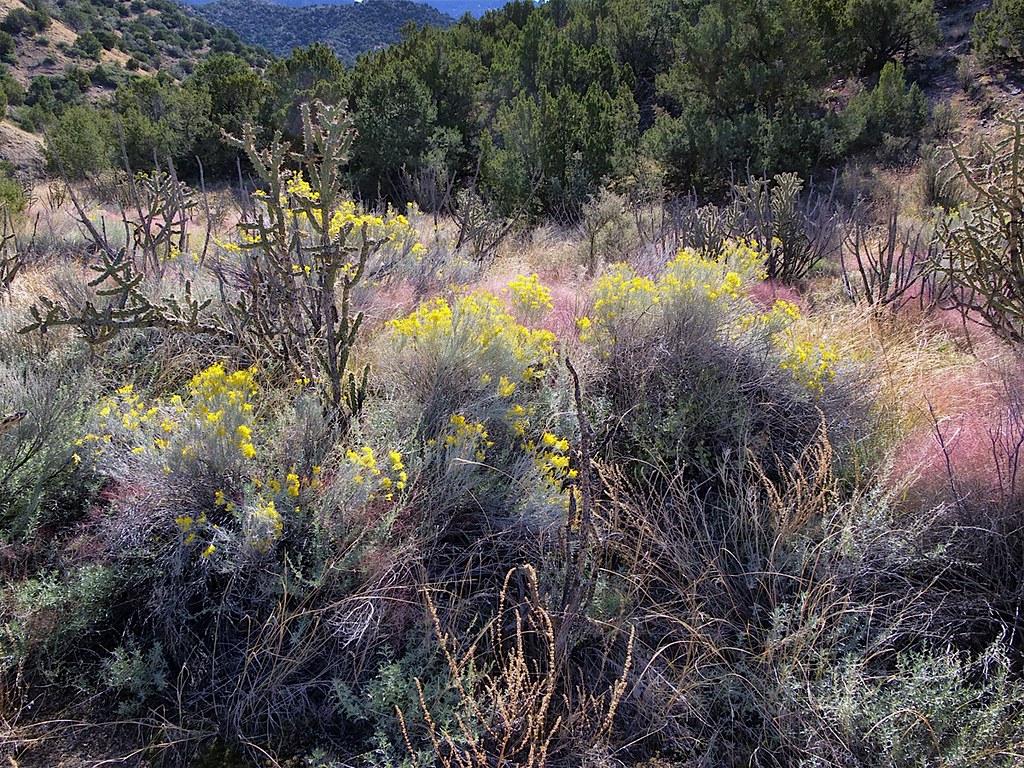
What makes Piedra Lisa genuinely special is the diversity packed into a single outing. You will move through high desert scrub scattered with chamisa and prickly pear cactus, then transition into stands of piñon pine and juniper as the elevation climbs. On clear mornings, which in Albuquerque is most mornings, the views west toward the Rio Grande and the volcanic escarpment on the far side of the valley are nothing short of cinematic. Golden hour light on these mountains is a thing to behold.
Wildlife sightings are common and unhurried here. Mule deer move through the brush with casual confidence, roadrunners dart across the rocky path, and if you are very lucky and very quiet, you might spot a black bear working the upper slopes in late summer. Birders will want to bring binoculars — the foothills habitat draws an impressive variety of raptors and songbirds throughout the year.
The trail is popular with local runners and serious hikers on weekend mornings, so if solitude is your goal, aim for a weekday start just after sunrise. Parking fills up faster than you might expect on Saturday and Sunday, and the early light on the Sandias is genuinely worth the early alarm. Bring more water than you think you need — the elevation and dry air work together quickly — and a light layer for the top, where the wind picks up considerably even on warm days.
Piedra Lisa is not a manicured tourist attraction. There are no gift shops, no guided tours, and no espresso stands waiting at the trailhead. What it offers instead is something increasingly rare: unfiltered access to one of the most dramatic landscapes in the American Southwest, right at the edge of a major city. Whether you complete the full out-and-back route or simply hike an hour up and turn around, you will return to Albuquerque with dusty boots, clear lungs, and a very strong sense of why people who live here tend to stay.
If you are building an Albuquerque itinerary that goes beyond the standard stops, Piedra Lisa Trail earns a place on the list without reservation. It is the kind of experience that reminds you travel is not just about seeing new places — it is about feeling them.